UI/UX Design
User research, wireframes, high-fidelity prototypes and design systems that convert — built around how your users actually think and behave.
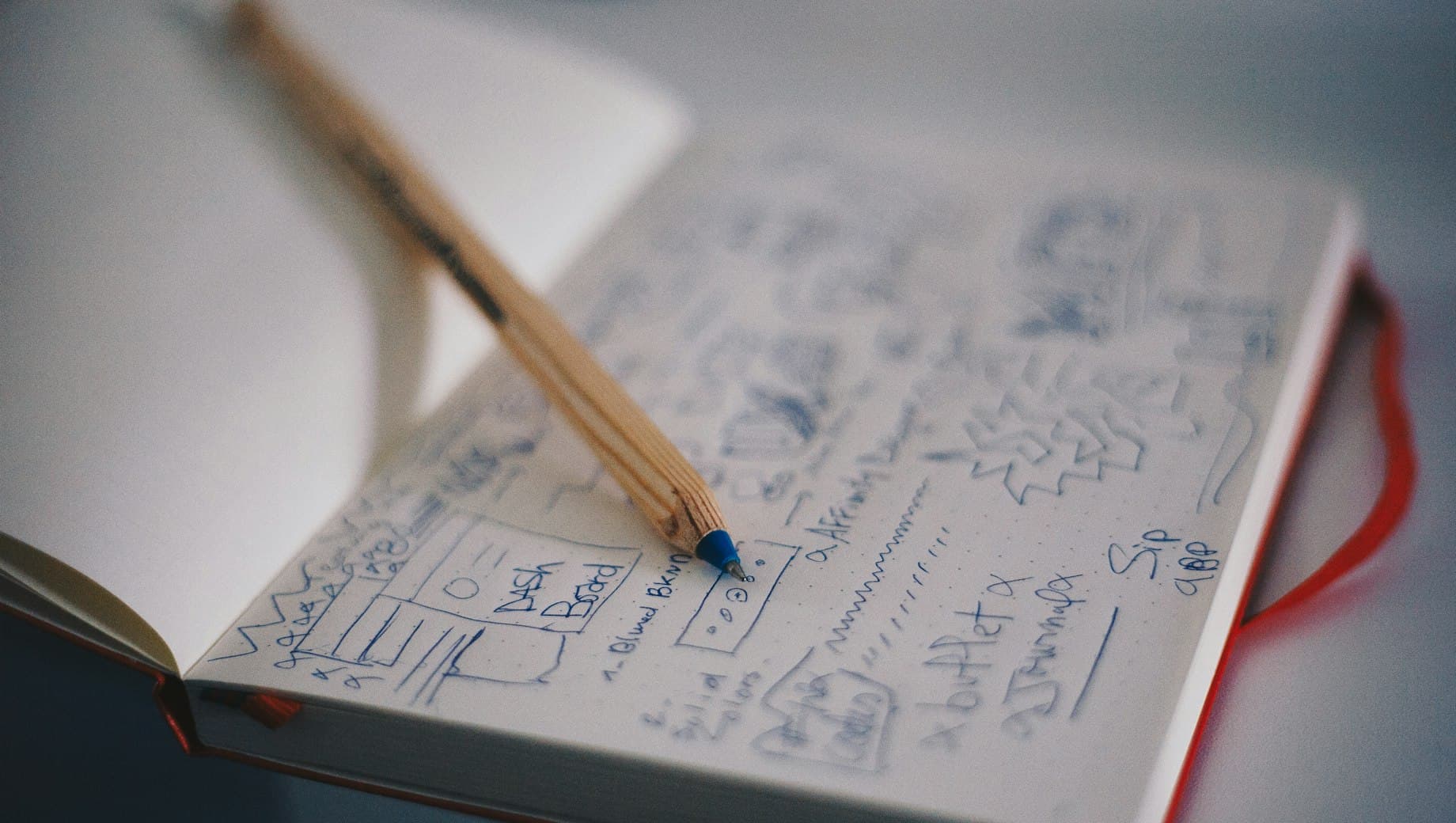
What you get
User research & personas
Design grounded in how your users actually think and behave — not internal assumptions.
Wireframes & prototypes
Interactive prototypes you can test with real users before a line of code is written.
Design system
A reusable component and token library so the product stays consistent as it grows.
Accessibility (WCAG)
Interfaces that meet WCAG so every customer can use the product, on any device.
How we work
Research
We research your users, their goals and the tasks the interface must support before designing anything.
Wireframe
We wireframe structure and flow, validating the logic before investing in visual design.
Design & prototype
High-fidelity design and an interactive prototype you can put in front of real users.
Test & hand over
Usability testing, refinement and a design system your team or developers can build from.
How We Approach UI/UX Design
Good design starts with understanding, not decoration. Before we open a design tool we spend time learning who uses the product, what they are trying to achieve, and where the current experience gets in their way. That research shapes everything that follows, so the interface is built around real behaviour rather than internal opinion.
Our process runs through a clear sequence: user research, information architecture, wireframes, interactive prototypes, a design system, and a structured handoff to engineering. Each stage validates the work before the next one adds cost, which means problems get caught when they are cheap to fix rather than after build.
We treat design as a working partnership. You see progress at every stage, give feedback against something tangible, and never have to approve a finished visual on faith. By the time anything reaches development, the core decisions have already been tested and agreed.
What a Design Engagement Includes
Most engagements move from discovery to a tested, build-ready design system. We map the journeys that matter, structure the information so people can find what they need, and design screens that hold up across mobile, tablet and desktop. Accessibility is built in from the start, not retrofitted at the end.
Everything is produced in Figma, which keeps design, prototyping and collaboration in one place. Stakeholders can comment directly on the work, developers can inspect specs, and there is a single source of truth that stays current as the product evolves.
- User research, journey mapping and personas grounded in real evidence
- Information architecture and wireframes that validate flow before visuals
- High-fidelity screens and interactive prototypes built in Figma
- A design system with reusable components and design tokens
- Accessibility designed to WCAG, including contrast, focus and keyboard support
- Usability testing and a developer-ready handoff package
Common Problems We Solve
Teams usually come to us with one of a few problems. A product has grown feature by feature until the experience feels cluttered and customers struggle to complete basic tasks. A website looks dated and converts poorly against sharper competitors. Or a fast-moving team keeps rebuilding the same buttons, forms and layouts because nothing is standardised.
We solve the first with focused product UX work: research to find where users get stuck, then a redesign that simplifies the core flows. We solve the second with a redesign grounded in evidence rather than taste. We solve the third with a proper design system and token library, so the interface stays consistent and the team ships faster.
The thread through all of it is the same. We design around how people actually use the product, test our assumptions with real users, and hand over work that engineering can build without guesswork.
How Design Hands Off to Engineering, and Who It Suits
A design is only useful if it can be built. We hand over annotated screens, an interactive prototype, and a component library with design tokens for colour, spacing and typography, so developers work from defined values rather than approximations. Where it helps, we stay involved through build to answer questions and review the result against the design.
A typical engagement runs from a few weeks for a focused redesign or landing page to a couple of months for a full product UX project with a design system. Timelines depend on the number of flows, the depth of research, and how much testing the product warrants.
This work suits SaaS products, customer portals, e-commerce and any interface where usability affects conversion or retention. It is less suited to throwaway internal tools with a handful of users, or to teams that want pixels pushed without research behind them. If you need design that is genuinely easy to use and built to last, that is exactly the work we do best.