UI/UX Design for Hobart Businesses
User-centric interfaces designed to convert for Hobart businesses.
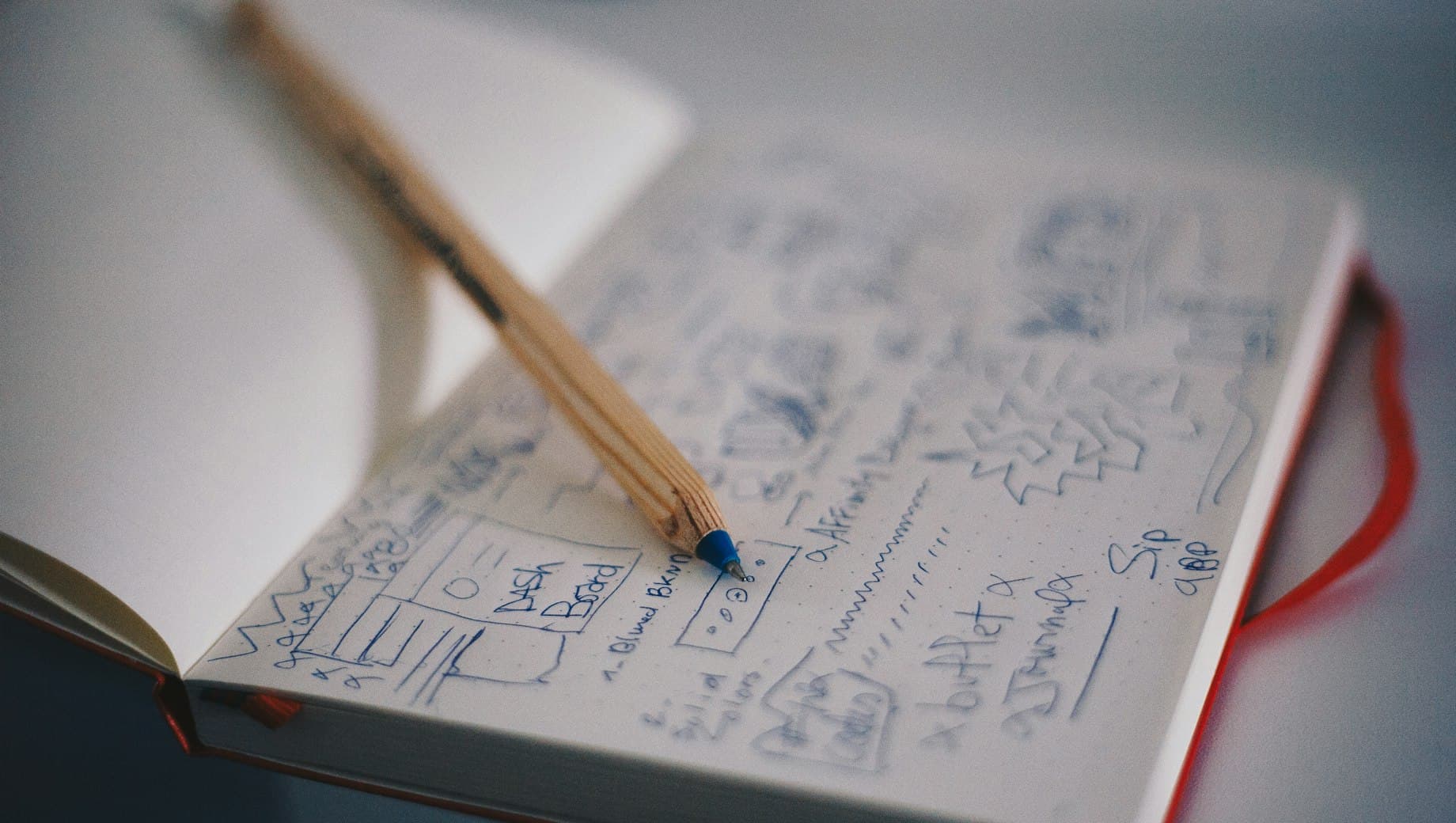
The Hobart context for ui/ux design
Home to roughly 250,000 people, Hobart is a coastal tourism centre in Tasmania.
Strongly seasonal, premium-tourism search; visitors research food, art and accommodation online, making polished, mobile-first experiences valuable to local operators.
Local landmarks such as MONA are part of what gives Hobart its distinct commercial character.
UI/UX Design cost & timeline in Hobart
- Typical investment
- $2,000 – $7,000
- Indicative timeline
- 3–7 weeks
- Engagement
- Fixed-scope estimate, senior team, no lock-in
Most ui/ux design projects for Hobart businesses start from $2,000 and run to about $7,000 for larger builds, typically delivered in 3–7 weeks. You get a fixed written estimate before any work begins.
Sound familiar?
- ✕Hobart’s economy has been transformed by MONA and a premium food, whisky and wine scene, layered on an Antarctic-gateway marine-science cluster and a salmon-aquaculture industry that anchors the wider state. When a Hobart business designs around internal taste instead of real user behaviour, the bill arrives later: confusing journeys, unclear screens and conversions that quietly leak away.
- ✕Hobart's tourism and agriculture and aquaculture sectors compete on experience as much as features — and a product that is hard to use loses to a clearer competitor regardless of what is under the hood.
- ✕One of Australia’s smallest agency markets; limited local competition leaves clear opportunity for studios that grasp Tasmania’s premium-tourism positioning. Few investments pay back as hard for Australian businesses as well-researched UI/UX — the identical product converts far better once it is genuinely easy to use.
What you get
Hobart lives and dies by its season, and an underperforming site in peak months is a direct, measurable loss. Its tourism and agriculture and aquaculture sectors set the tone for what local buyers expect online.
User research & personas
Design grounded in how your users actually think and behave — not internal assumptions.
Wireframes & prototypes
Interactive prototypes you can test with real users before a line of code is written.
Design system
A reusable component and token library so the product stays consistent as it grows.
Accessibility (WCAG)
Interfaces that meet WCAG so every customer can use the product, on any device.
How we work
Research
We research your users, their goals and the tasks the interface must support before designing anything.
Wireframe
We wireframe structure and flow, validating the logic before investing in visual design.
Design & prototype
High-fidelity design and an interactive prototype you can put in front of real users.
Test & hand over
Usability testing, refinement and a design system your team or developers can build from.
The Hobart market
It helps to know who you are up against. One of Australia’s smallest agency markets; limited local competition leaves clear opportunity for studios that grasp Tasmania’s premium-tourism positioning.
Demand in Hobart is led by tourism and agriculture and aquaculture, so the experience that converts a visitor here is shaped by those sectors' norms.
In Australia, a tourism company in Hobart was sitting on a feature-rich product customers struggled to navigate. We redesigned the UI/UX around user research, streamlined the core flows, and watched task completion climb while support tickets fell — the same product, finally easy to use.
Hire a ui/ux design team in Hobart
Businesses in Hobart hire DevFuture when they want a ui/ux design company that behaves like a partner: a named team, honest estimates, and ui/ux design services scoped to the outcome rather than billed by the hour.
Read the full UI/UX Design guide → — how we approach ui/ux design, what it costs, and when it is the right call.
Frequently asked questions
Do you design UI/UX for Hobart businesses?
Yes. We run UI/UX design — research, wireframes, prototypes and design systems — for Hobart businesses across Australia, for both products and websites.
Do you do user research and testing?
Yes. User research and usability testing are core to how we work — we design around evidence, not assumptions, and validate with real users before build.
What Hobart businesses benefit most from UI/UX?
B2B in aquaculture, agriculture and marine science with a small, specialised buyer base; a B2C economy increasingly built on high-end tourism, art and produce. SaaS products, customer portals, e-commerce and any interface with real conversion stakes see the clearest return, including tourism businesses.
Do you deliver a design system?
We do. A design system of reusable components and tokens ships with the work, so your product stays consistent and your engineers build more quickly.