UI/UX Design for Limerick Businesses
User-centric interfaces designed to convert for Limerick businesses.
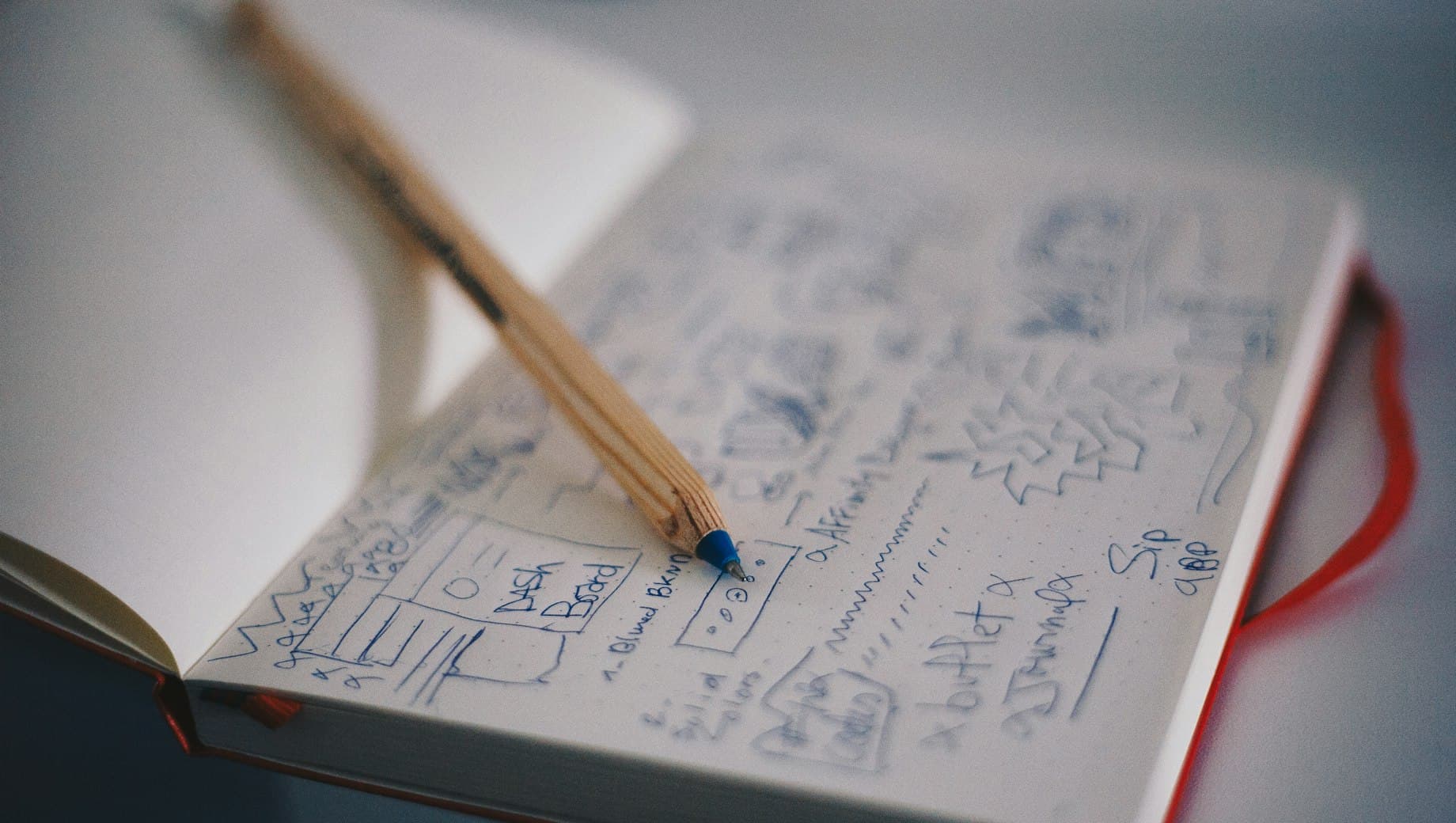
UI/UX Design in Limerick: the local picture
Home to roughly 100,000 people, Limerick is an industrial centre in County Limerick.
Desktop-heavy B2B searches for manufacturing and aviation; mobile improving rapidly as consumer sector grows.
Limerick is anchored by landmarks like King John’s Castle, and that local identity tends to surface in its businesses.
UI/UX Design cost & timeline in Limerick
- Typical investment
- €2,000 – €7,000
- Indicative timeline
- 3–7 weeks
- Engagement
- Fixed-scope estimate, senior team, no lock-in
Most ui/ux design projects for Limerick businesses start from €2,000 and run to about €7,000 for larger builds, typically delivered in 3–7 weeks. You get a fixed written estimate before any work begins.
Sound familiar?
- ✕Limerick has reinvented itself — the University of Limerick's tech pipeline and the Shannon Airport authority cluster are fuelling a new generation of ambitious B2B companies in one of Ireland's fastest-regenerating cities. Across Limerick, plenty of products and sites are built to match what the team likes rather than how customers behave — and the cost shows up as lost conversions, muddled flows and interfaces people give up on.
- ✕Features alone no longer decide it for Limerick's aviation and aerospace and manufacturing businesses: when a product is hard to use, a clearer rival wins regardless of what sits under the hood.
- ✕Fewer agencies than Cork or Dublin; many Limerick businesses rely on out-of-town providers, which creates real opportunity for a responsive studio. For Irish businesses, well-researched UI/UX design is one of the highest-leverage investments — the same product converts far better when it is genuinely easy to use.
What you get
Manufacturing and engineering buyers in Limerick reward sites that demonstrate competence quickly and waste none of their time. Its aviation and aerospace and manufacturing sectors set the tone for what local buyers expect online.
User research & personas
Design grounded in how your users actually think and behave — not internal assumptions.
Wireframes & prototypes
Interactive prototypes you can test with real users before a line of code is written.
Design system
A reusable component and token library so the product stays consistent as it grows.
Accessibility (WCAG)
Interfaces that meet WCAG so every customer can use the product, on any device.
How we work
Research
We research your users, their goals and the tasks the interface must support before designing anything.
Wireframe
We wireframe structure and flow, validating the logic before investing in visual design.
Design & prototype
High-fidelity design and an interactive prototype you can put in front of real users.
Test & hand over
Usability testing, refinement and a design system your team or developers can build from.
The Limerick market
On the competition: fewer agencies than Cork or Dublin; many Limerick businesses rely on out-of-town providers, which creates real opportunity for a responsive studio.
Buyers in Limerick skew toward aviation and aerospace and manufacturing, and each judges a website against the standards of its own industry.
A Limerick aviation and aerospace business in Ireland had a feature-rich product that customers found confusing. A UI/UX redesign grounded in user research simplified the core flows, lifted task completion rates and reduced support tickets — the same product, made genuinely easy to use.
Hire a ui/ux design team in Limerick
Looking to hire a ui/ux design company in Limerick? DevFuture works as your ui/ux design agency or as an extension of your in-house team — clear scope, fixed estimates and senior people on the actual work, not a sales layer in front of it.
Read the full UI/UX Design guide → — how we approach ui/ux design, what it costs, and when it is the right call.
Frequently asked questions
Do you design UI/UX for Limerick businesses?
Yes. We run UI/UX design — research, wireframes, prototypes and design systems — for Limerick businesses across Ireland, for both products and websites.
Do you do user research and testing?
We do, on every engagement. User research and usability testing are how we work: we design from evidence instead of guesswork and put the result in front of real users ahead of build.
What Limerick businesses benefit most from UI/UX?
Predominantly B2B in aviation, manufacturing and professional services; a growing B2C retail and hospitality market as city-centre regeneration continues. SaaS products, customer portals, e-commerce and any interface with real conversion stakes see the clearest return, including aviation and aerospace businesses.
Do you deliver a design system?
Yes — you get a reusable library of components and design tokens, which keeps the interface consistent and lets your developers move faster.