UI/UX Design for Dublin Businesses
User-centric interfaces designed to convert for Dublin businesses.
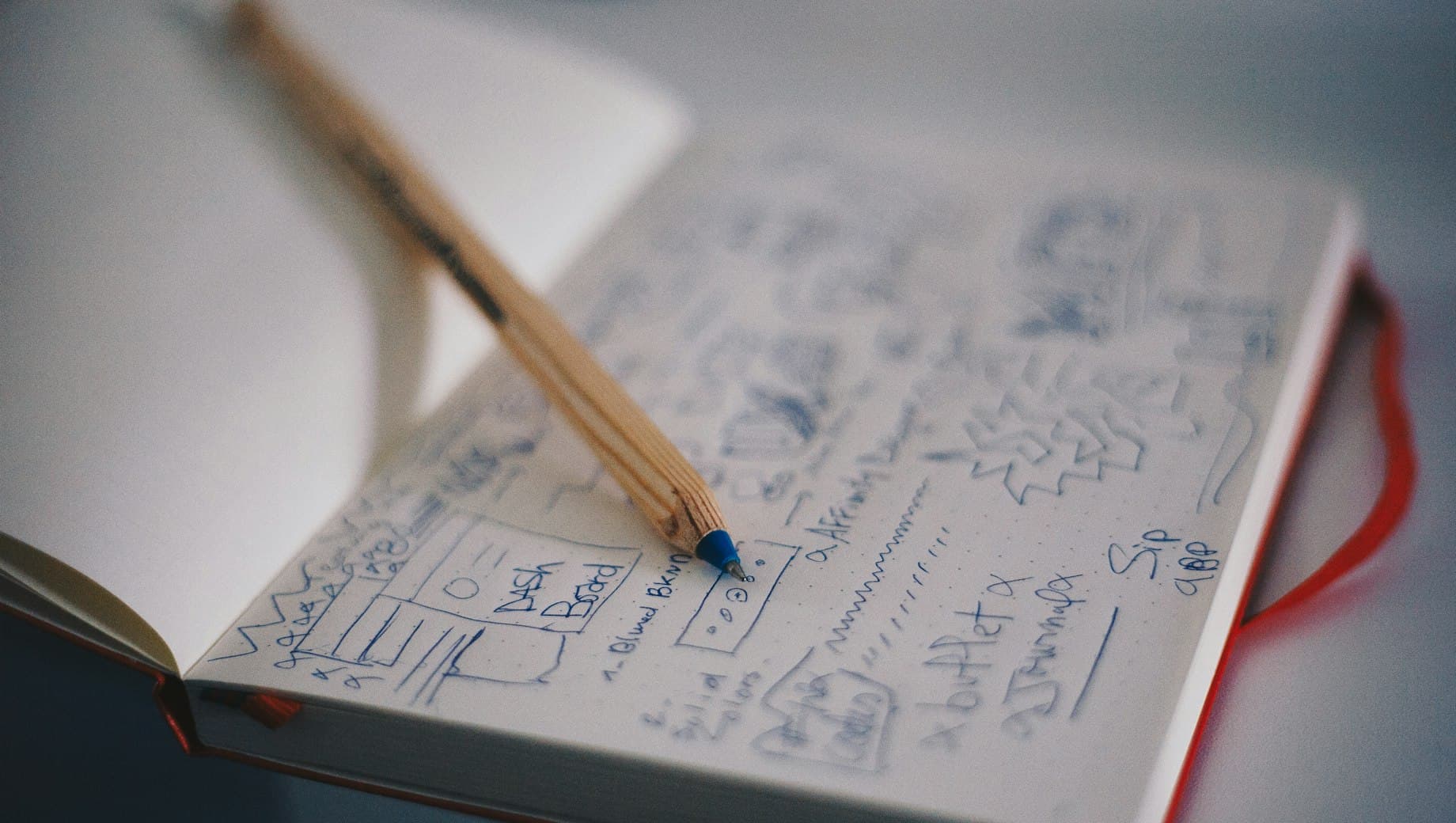
The Dublin context for ui/ux design
With a population near 1,400,000, Dublin is a technology hub.
Highly competitive search landscape; users expect fast, polished experiences and judge digital quality immediately.
Around the Ha’penny Bridge, Dublin carries a sense of place that shapes how local brands present themselves.
We also work with businesses in Drogheda and the surrounding county.
UI/UX Design cost & timeline in Dublin
- Typical investment
- €2,000 – €7,000
- Indicative timeline
- 3–7 weeks
- Engagement
- Fixed-scope estimate, senior team, no lock-in
Most ui/ux design projects for Dublin businesses start from €2,000 and run to about €7,000 for larger builds, typically delivered in 3–7 weeks. You get a fixed written estimate before any work begins.
Sound familiar?
- ✕Home to European HQs of Google, Meta, Airbnb and LinkedIn, Dublin businesses compete in one of Europe's most demanding digital markets. When a Dublin business designs around internal taste instead of real user behaviour, the bill arrives later: confusing journeys, unclear screens and conversions that quietly leak away.
- ✕Dublin's technology and financial services sectors compete on experience as much as features — and a product that is hard to use loses to a clearer competitor regardless of what is under the hood.
- ✕The most saturated agency market in Ireland, with international players and in-house teams competing alongside local studios. Few investments pay back as hard for Irish businesses as well-researched UI/UX — the identical product converts far better once it is genuinely easy to use.
What you get
In a market shaped by technology employers, a credible, fast online presence is table stakes rather than a differentiator in Dublin. With technology prominent locally, the bar for a credible digital presence is set accordingly.
User research & personas
Design grounded in how your users actually think and behave — not internal assumptions.
Wireframes & prototypes
Interactive prototypes you can test with real users before a line of code is written.
Design system
A reusable component and token library so the product stays consistent as it grows.
Accessibility (WCAG)
Interfaces that meet WCAG so every customer can use the product, on any device.
How we work
Research
We research your users, their goals and the tasks the interface must support before designing anything.
Wireframe
We wireframe structure and flow, validating the logic before investing in visual design.
Design & prototype
High-fidelity design and an interactive prototype you can put in front of real users.
Test & hand over
Usability testing, refinement and a design system your team or developers can build from.
The Dublin market
On the competition: the most saturated agency market in Ireland, with international players and in-house teams competing alongside local studios.
Buyers in Dublin skew toward technology and financial services, and each judges a website against the standards of its own industry.
A technology business based in Dublin, Ireland, had packed its product with features but left customers confused. Research-led UI/UX work cut the core flows back to what mattered, raising task completion and lowering support volume — no new features, just a product made genuinely usable.
Hire a ui/ux design team in Dublin
Whether you want to hire a dedicated ui/ux design team in Dublin or bring in an agency for one project, DevFuture provides ui/ux design services with transparent pricing and direct access to the engineers building your product.
Read the full UI/UX Design guide → — how we approach ui/ux design, what it costs, and when it is the right call.
Frequently asked questions
Do you design UI/UX for Dublin businesses?
Yes. We run UI/UX design — research, wireframes, prototypes and design systems — for Dublin businesses across Ireland, for both products and websites.
Do you do user research and testing?
Absolutely. Research and usability testing sit at the centre of our process — decisions are grounded in evidence rather than assumptions, and tested with real users before anything is built.
What Dublin businesses benefit most from UI/UX?
Mix of high-stakes B2B in tech, finance and pharma alongside a strong B2C retail, hospitality and tourism economy. SaaS products, customer portals, e-commerce and any interface with real conversion stakes see the clearest return, including technology businesses.
Do you deliver a design system?
Yes. We deliver a reusable component and token library so your interface stays consistent and your developers build faster.