Technical SEO for Atlanta Businesses
Fix the technical issues stopping search engines from ranking your site for Atlanta businesses.
The Atlanta context for technical seo
Atlanta — a logistics hub in Georgia — has a population of around 500,000.
A large, diverse and mobile-first metro with strong cultural reach; consumer discovery is heavily social, while B2B buyers favour credibility and case depth.
Local landmarks such as the Georgia Aquarium are part of what gives Atlanta its distinct commercial character.
Technical SEO cost & timeline in Atlanta
- Typical investment
- $1,000 – $5,000
- Indicative timeline
- 6–12 weeks
- Engagement
- Fixed-scope estimate, senior team, no lock-in
Most technical seo projects for Atlanta businesses start from $1,000 and run to about $5,000 for larger builds, typically delivered in 6–12 weeks. You get a fixed written estimate before any work begins.
Sound familiar?
- ✕Anchored by the world’s busiest airport and a cluster of Fortune 500 HQs (Delta, Coca-Cola, UPS, Home Depot), Atlanta is the logistics capital of the Southeast and has become a powerhouse for film production and payments-fintech. Behind the scenes, a lot of Atlanta business websites carry serious technical SEO faults — duplicate content, sluggish Core Web Vitals, broken internal links — that suppress organic rankings day after day.
- ✕For Atlanta's logistics and aviation and film and television businesses, content and link investment often comes first and the technical foundation last; the result is work built on sand, with its impact limited from the start.
- ✕A rising agency market buoyed by film, fintech and a strong Black-owned business and creative community; competition is growing but the ceiling is far from reached. For American businesses, technical SEO is the multiplier — fixing the foundations makes every other SEO investment work harder.
What you get
Operations in Atlanta move quickly, and a slow or clumsy website is friction buyers simply route around. Demand here is shaped by logistics and aviation and film and television, each with its own digital habits.
Full technical audit
Crawl errors, indexing issues, Core Web Vitals failures and structured data problems surfaced and prioritised.
Core Web Vitals optimisation
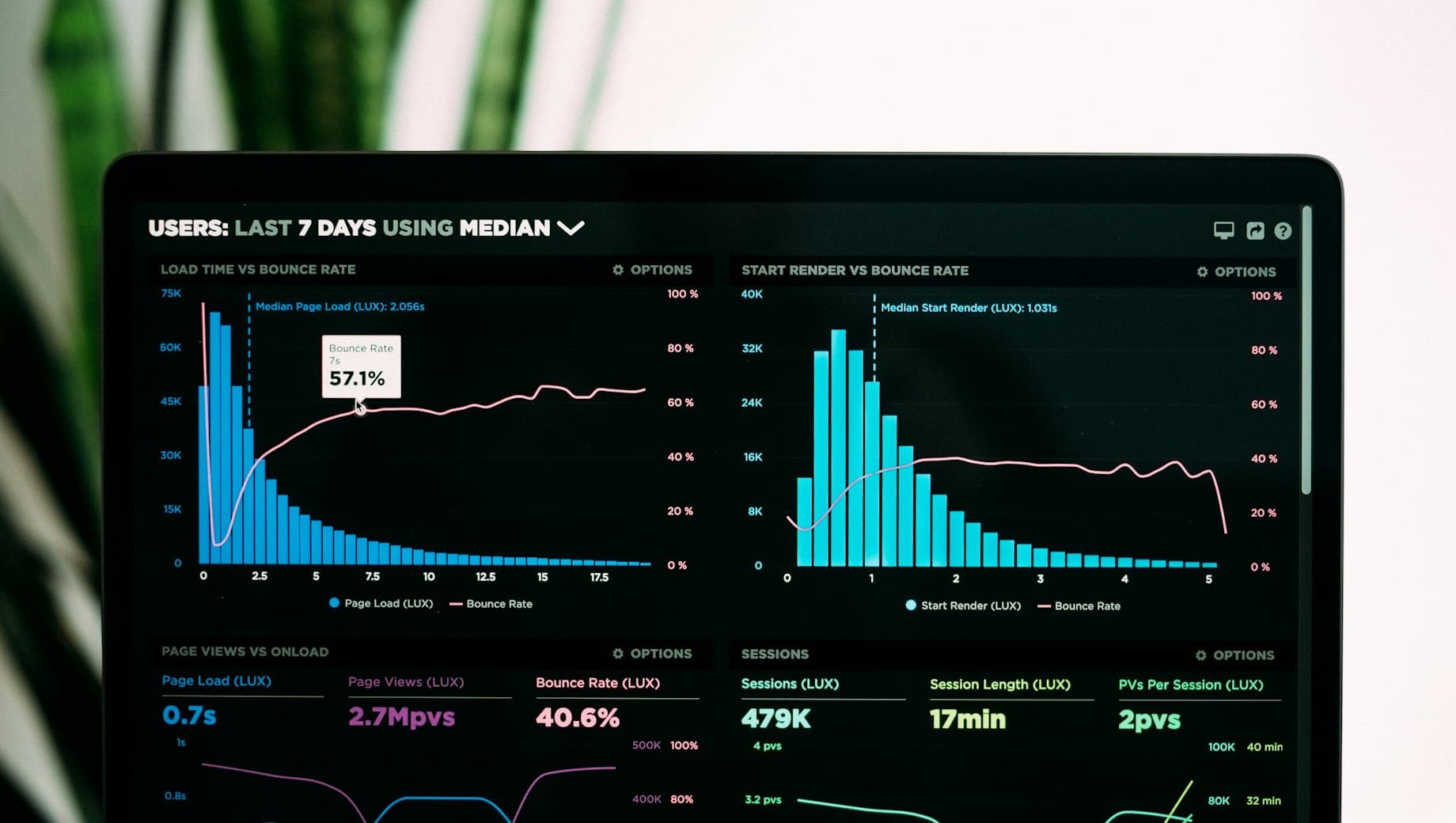
LCP, CLS and INP brought into the green — impacting both rankings and user experience.
Structured data implementation
Schema markup that enables rich results for your pages across search.
Crawl budget management
Google spends its crawl budget on your important pages, not duplicates or parameter URLs.
How we work
Crawl audit
We crawl the full site with Screaming Frog and Search Console data to map every technical issue.
Prioritise
We triage issues by impact — fixing the things actively suppressing rankings first.
Implement
We fix or advise on fixes, working with your development team or handling implementation ourselves.
Validate
We re-crawl and re-test after each fix cycle to confirm issues are resolved, not just addressed.
The Atlanta market
The local field is worth weighing up — a rising agency market buoyed by film, fintech and a strong Black-owned business and creative community; competition is growing but the ceiling is far from reached.
Buyers in Atlanta skew toward logistics and aviation and film and television, and each judges a website against the standards of its own industry.
A Atlanta logistics and aviation business in United States had spent two years on content yet never saw the ranking gains it expected. The problem, a technical audit showed, was duplicate content, pages blocked from indexing and Core Web Vitals failures — not the content, which was good. Fixing the technical foundation lifted organic traffic materially inside three months.
Hire a technical seo team in Atlanta
Looking to hire a technical seo company in Atlanta? DevFuture works as your technical seo agency or as an extension of your in-house team — clear scope, fixed estimates and senior people on the actual work, not a sales layer in front of it.
Read the full Technical SEO guide → — how we approach technical seo, what it costs, and when it is the right call.
Frequently asked questions
Do you provide technical SEO for Atlanta businesses?
Yes. We audit and fix technical SEO issues for Atlanta businesses across United States — from small sites to large e-commerce catalogues — working with your dev team or directly.
What are Core Web Vitals and why do they matter?
LCP, CLS and INP make up the Core Web Vitals, Google's page experience metrics. Fail them and you rank below an otherwise equivalent page that passes, which is why fixing them is measurably worth the effort.
What technical SEO issues are common in Atlanta sites?
A large, diverse and mobile-first metro with strong cultural reach; consumer discovery is heavily social, while B2B buyers favour credibility and case depth. Common issues include slow mobile load times, duplicate content from URL parameters, missing structured data and pages blocked from indexing by misconfigured robots files.
Do you work with our development team?
We do. Your developers can take a technical audit and implementation guide from us and run with it, or we can implement the changes directly on WordPress, Next.js or custom stacks.