Technical SEO
Crawlability, Core Web Vitals and structured data fixed and validated — the technical foundation that makes every other SEO investment work harder.
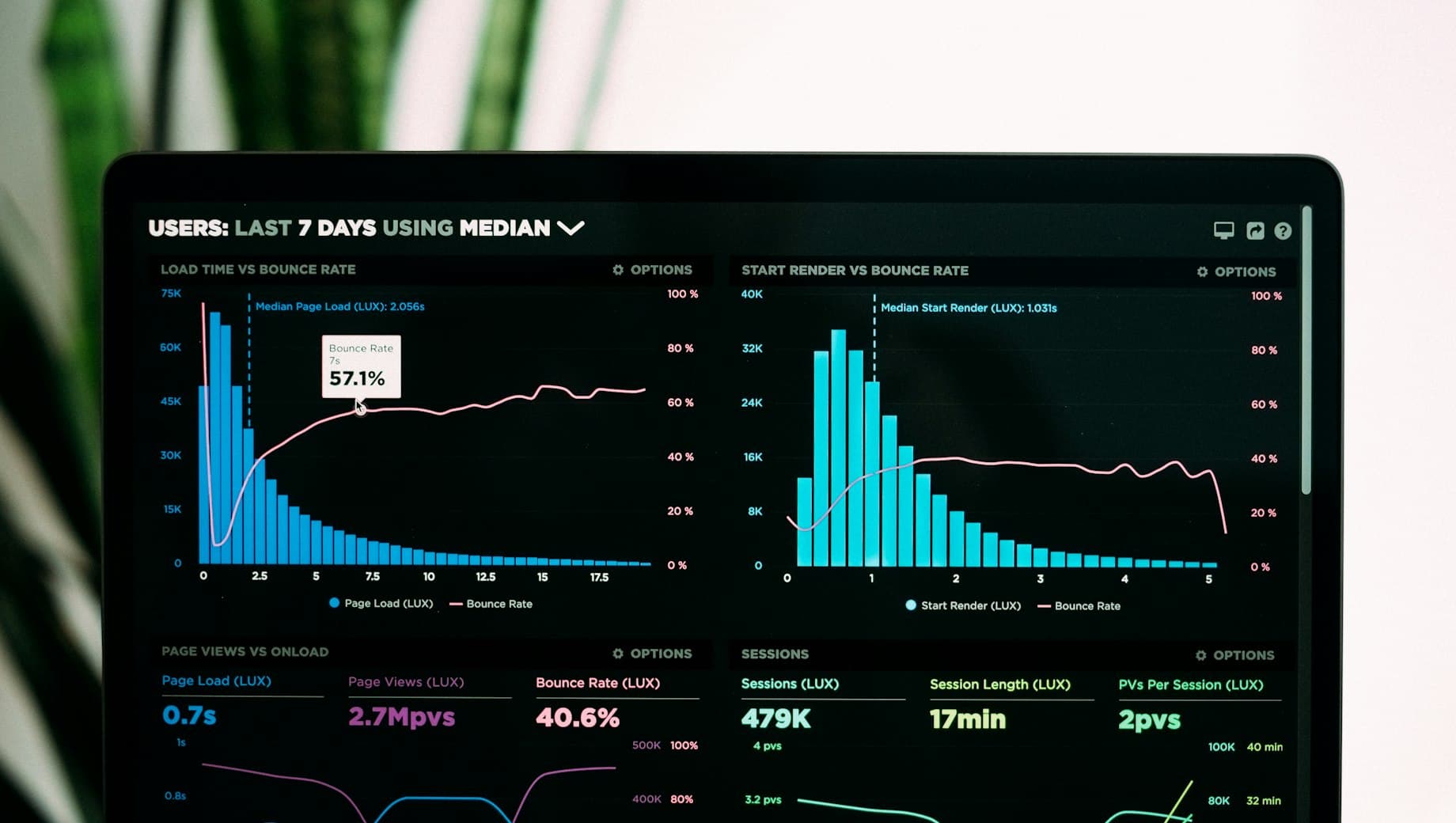
Sound familiar?
- Local customers cannot find you in the areas you serve.
- The site gets traffic but very little of it turns into enquiries.
- Competitors outrank you for the searches your customers actually make.
That is the work this service exists for — scoped up front, delivered in clear milestones, with a fixed estimate before anything starts.
What we build
Full technical audit
Crawl errors, indexing issues, Core Web Vitals failures and structured data problems surfaced and prioritised.
Core Web Vitals optimisation
LCP, CLS and INP brought into the green — impacting both rankings and user experience.
Structured data implementation
Schema markup that enables rich results for your pages across search.
Crawl budget management
Google spends its crawl budget on your important pages, not duplicates or parameter URLs.
Why DevFuture
Products we've built and shipped
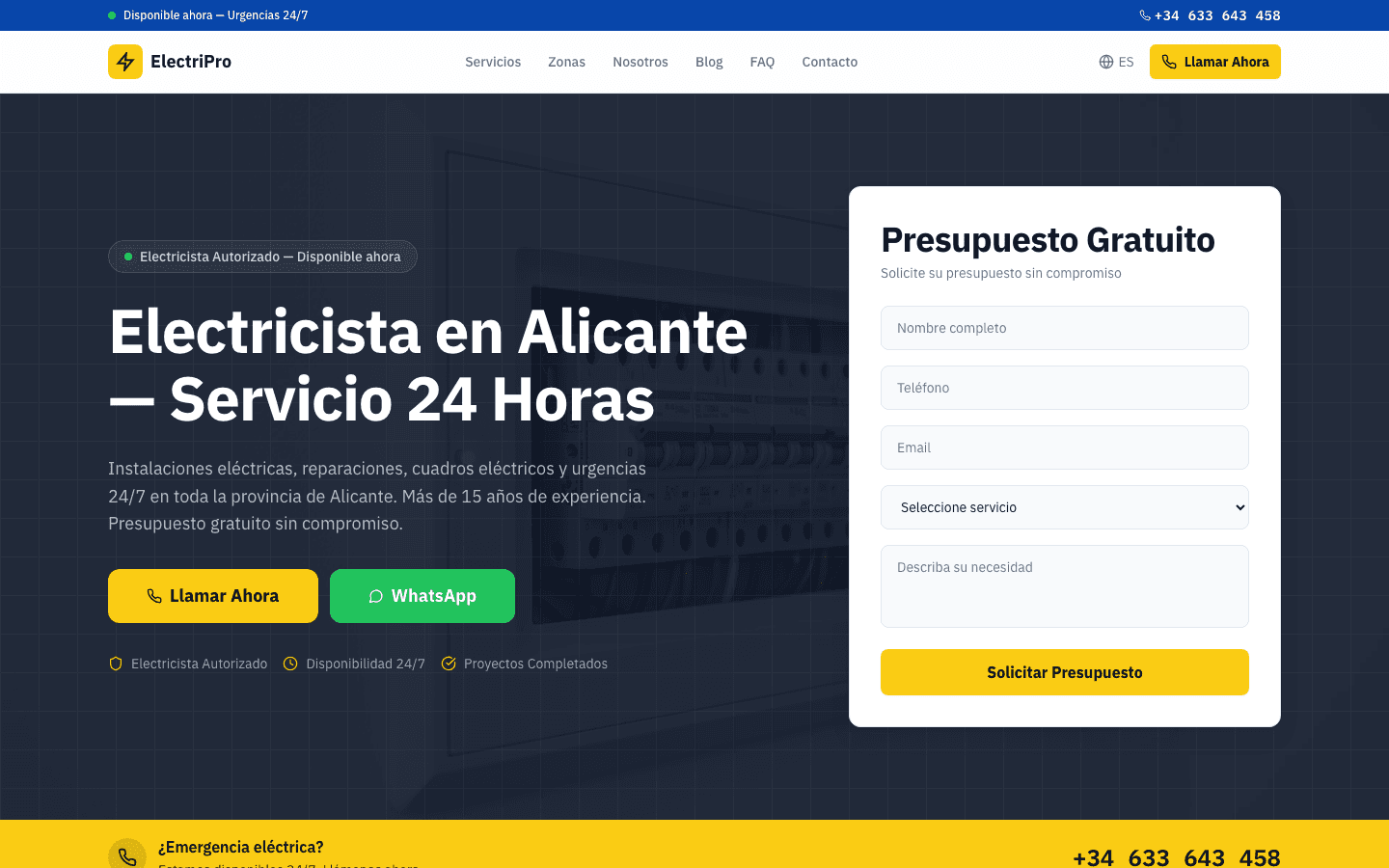
ElectriPro
Electrical-services website for an Alicante contractor — 24/7 emergency response, installations, repairs, EV chargers and smart-home work, with an instant free-quote flow and multi-area local SEO coverage.
Case study →Open live ↗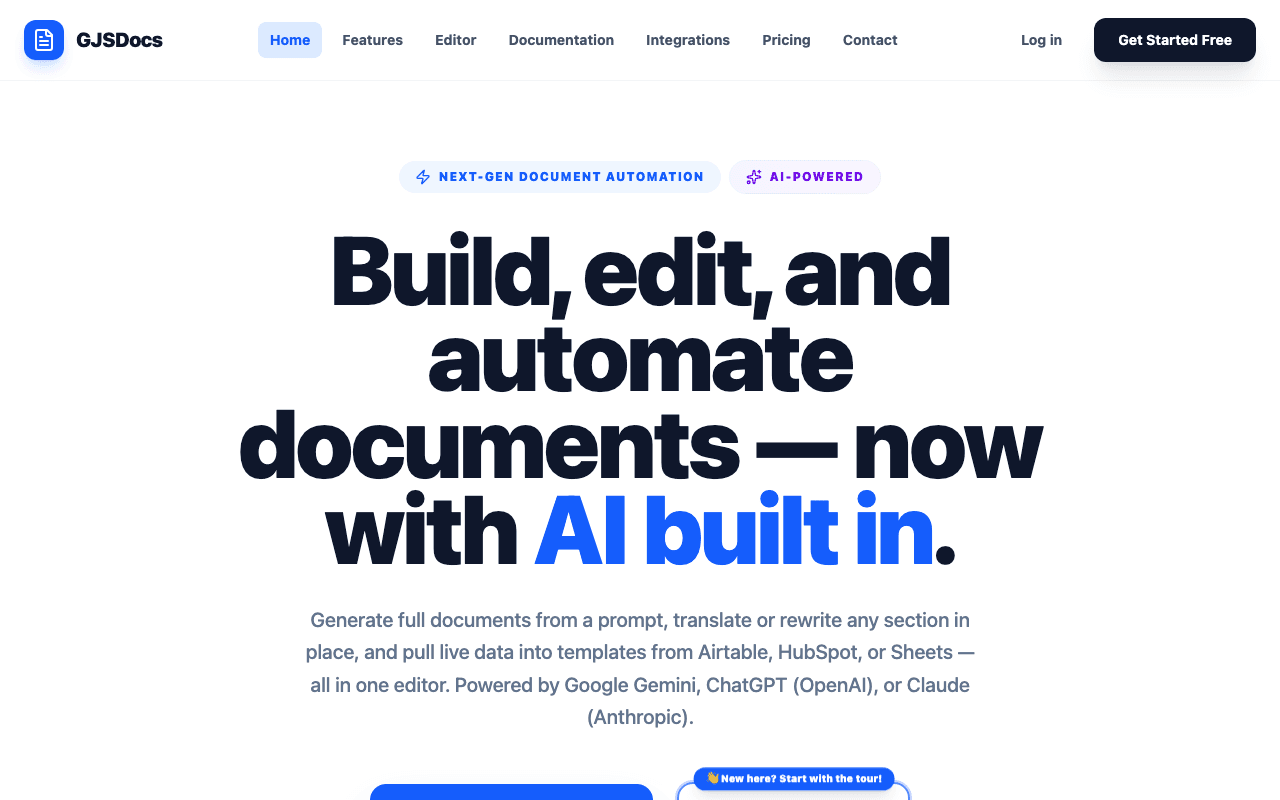
GJSDocs
AI-powered document automation — generate invoices, contracts and reports from templates merged with live data (Airtable, HubSpot, Sheets), with PDF/DOCX/HTML export and a full REST API.
Case study →Open live ↗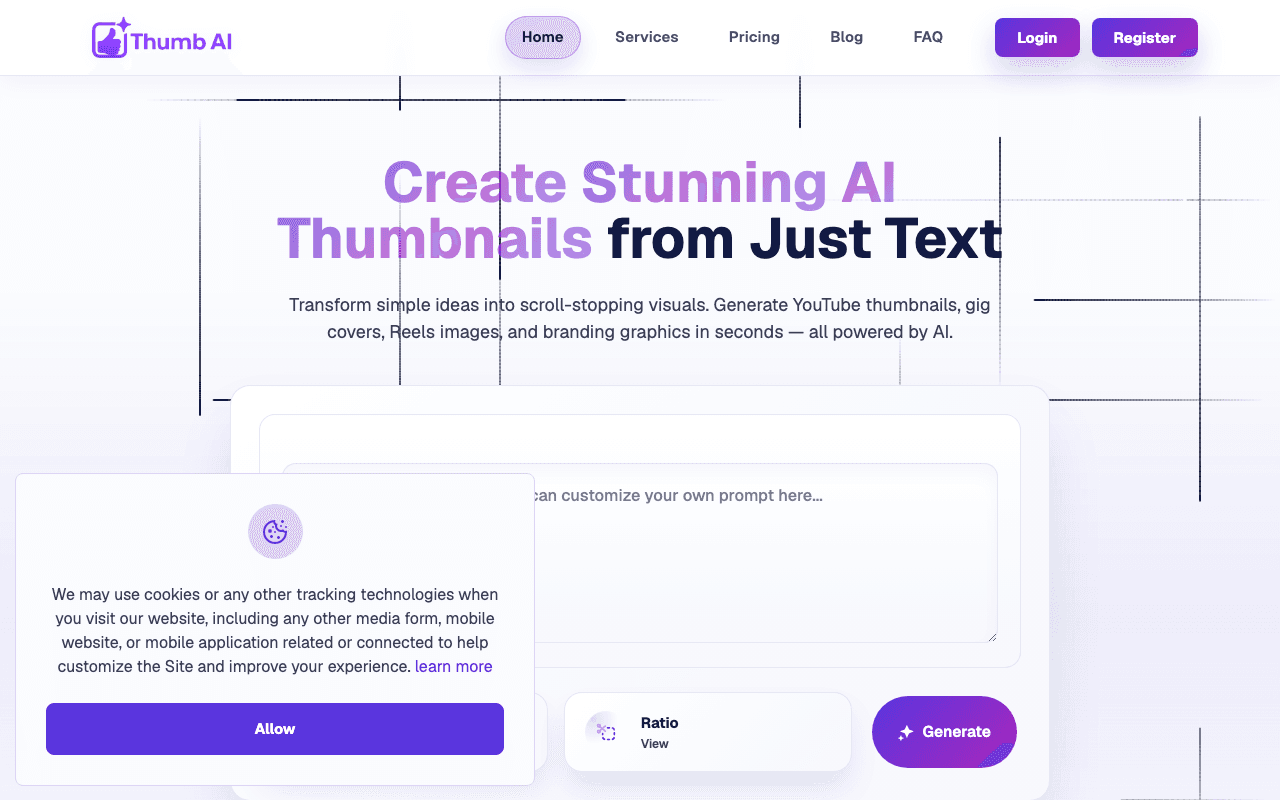
ThumbAI
AI thumbnail and cover generator that turns a text prompt into platform-ready visuals for YouTube, Instagram, TikTok and freelance marketplaces in seconds.
Case study →Open live ↗How we work
Crawl audit
We crawl the full site with Screaming Frog and Search Console data to map every technical issue.
Prioritise
We triage issues by impact — fixing the things actively suppressing rankings first.
Implement
We fix or advise on fixes, working with your development team or handling implementation ourselves.
Validate
We re-crawl and re-test after each fix cycle to confirm issues are resolved, not just addressed.
Crawlability, Indexation and Rendering
Before a page can rank it has to be crawled, rendered and indexed correctly — and this is where a surprising number of sites quietly fail. We start at the crawl layer: how Googlebot moves through your site, what it is allowed to reach, and whether it wastes its limited crawl budget on duplicate URLs, faceted-navigation parameter explosions, or endless pagination. We analyse robots directives, canonical tags, XML sitemaps and the indexation report in Search Console to find pages that should rank but are excluded, and pages that are indexed but should not be.
Modern JavaScript frameworks add a second failure mode: content that exists for users but not for the crawler at the moment it matters. We test how your pages render — server-side, static or client-side — and confirm that critical content and links are present in the rendered HTML Google actually sees. For React, Next.js and similar stacks this rendering audit is often the single highest-impact piece of work, because no amount of content or links helps a page the crawler never sees.
Core Web Vitals and Log File Analysis
Core Web Vitals — Largest Contentful Paint, Cumulative Layout Shift and Interaction to Next Paint — are page experience signals that affect rankings and, just as importantly, real user behaviour. We profile field data from the Chrome User Experience Report alongside lab data from Lighthouse, then trace each failing metric to its cause: a slow hero image, render-blocking scripts, layout shifts from late-loading content, or heavy main-thread work hurting interactivity. We fix the cause rather than chasing a synthetic score.
For larger sites we go to the server logs. Log file analysis shows what Googlebot is genuinely crawling, how often, and where it spends its budget — evidence you cannot get from any other source. It reveals crawl traps, orphaned sections, and important pages that are rarely visited, letting us redirect crawl attention to the pages that earn revenue.
Structured Data, Tooling and Who Its For
We implement and validate structured data — Organization, Product, Article, FAQ, Breadcrumb and the schema types relevant to your content — so your pages become eligible for rich results, and we test every change against Google's Rich Results tooling rather than assuming it parsed. Our core toolkit is Screaming Frog for full-site crawling, Google Search Console for indexation and Core Web Vitals field data, Lighthouse and PageSpeed Insights for diagnostics, and server log analysis for crawl behaviour.
Technical SEO is the right starting point when you have invested in content and links but rankings have stalled, when you are migrating or replatforming, or when you run a large catalogue where crawl efficiency genuinely matters. It is less urgent for a small, fast, well-structured site with only a handful of pages — there the constraint is almost always content, not technical health. We are happy to tell you when that is the case rather than sell you an audit you do not need. We can deliver a prioritised implementation guide for your developers or implement fixes directly on WordPress, Next.js and custom stacks.
- Full crawl audit covering indexation, canonicals, redirects and crawl budget
- JavaScript rendering checks to confirm Google sees your real content
- Core Web Vitals diagnosis and remediation from field and lab data
- Server log file analysis to map and redirect actual crawl behaviour
- Structured data implementation validated for rich-result eligibility
Technology
- Google Search Console
- GA4
- Schema.org structured data
- Core Web Vitals
- Next.js
What it costs
Every estimate is scoped to the work, so there is no single price. Our guide sets out typical budgets in Ireland, what moves the number and what to check in a quote: How Much Do SEO Services Cost in Ireland? For a figure for your own project, use the cost calculator.
Technical SEO by location
Tell us what you need built
You'll get a written, fixed-scope estimate within 24 hours — and if we're not the right fit for it, we'll say so.