Cloud Solutions for Sydney Businesses
AWS and Azure cloud architecture that scales reliably and securely for Sydney businesses.
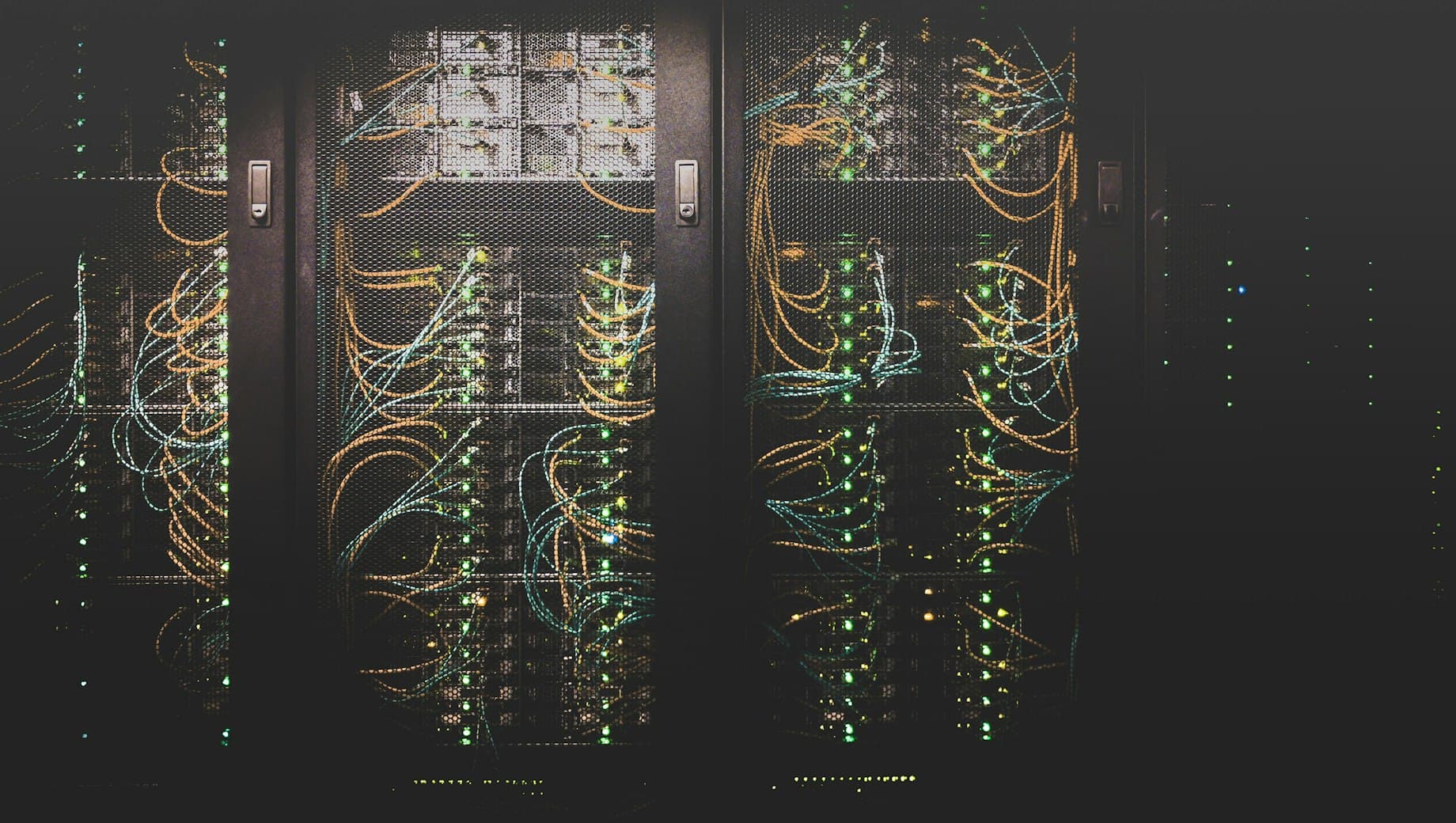
The Sydney context for cloud solutions
Sydney — a finance hub in New South Wales — has a population of around 5,300,000.
The most competitive search market in Australia, with high CPCs; users are affluent, mobile-first and quick to dismiss slow or unpolished experiences.
Sydney is anchored by landmarks like the Sydney Opera House, and that local identity tends to surface in its businesses.
Cloud Solutions cost & timeline in Sydney
- Typical investment
- $5,000 – $30,000
- Indicative timeline
- 6–12 weeks
- Engagement
- Fixed-scope estimate, senior team, no lock-in
Most cloud solutions projects for Sydney businesses start from $5,000 and run to about $30,000 for larger builds, typically delivered in 6–12 weeks. You get a fixed written estimate before any work begins.
Sound familiar?
- ✕Sydney is Australia’s financial capital — most major banks and the ASX are headquartered here — and its harbour-city tourism draw and growing tech scene make it the country’s most expensive, most globally benchmarked market. Across Sydney, businesses tend to fall into one of two traps: ageing on-premise kit that holds back growth, or a poorly tuned cloud setup that quietly costs far more than it should.
- ✕Sydney's financial services and technology sectors increasingly require infrastructure that handles variable workloads, meets data residency requirements and scales without manual intervention at 2am.
- ✕The most saturated agency market in the country, with global networks and strong independents; a clear creative or strategic edge is needed to stand out. For Australian businesses, cloud infrastructure done right is more than an operations choice; it is an edge, letting you release faster, scale on demand and recover from failure without anyone lifting a finger.
What you get
Decision cycles in Sydney's financial sector are longer and more scrutinised, so a considered, authoritative web presence carries real weight. Demand here is shaped by financial services and technology, each with its own digital habits.
Cloud architecture design
Infrastructure designed for your workload — not a copy-paste setup that wastes money on over-provisioned resources.
Migration to cloud
We move existing infrastructure to AWS or Azure with minimal downtime and no data loss.
Security and compliance
VPCs, IAM policies, encryption and logging configured so your environment is secure by default.
Cost optimisation
Right-sized instances, reserved capacity and auto-scaling so you pay for what you use.
How we work
Assessment
We assess your current infrastructure, workloads and requirements before recommending any cloud architecture.
Design
We design the target architecture with costs, tradeoffs and migration path documented and agreed.
Migrate
We execute the migration in stages, validating each step before moving to the next.
Optimise
Post-migration we monitor costs, performance and security and adjust over the first 90 days.
The Sydney market
It helps to know who you are up against. The most saturated agency market in the country, with global networks and strong independents; a clear creative or strategic edge is needed to stand out.
Demand in Sydney is led by financial services and technology, so the experience that converts a visitor here is shaped by those sectors' norms.
A Sydney financial services business in Australia depended on three ageing office servers that were failing more and more often. Over six weeks we moved their workloads to AWS with zero data loss — infrastructure costs came down, maintenance dropped to almost nothing, and they gained automatic failover they had never had.
Hire a cloud solutions team in Sydney
Whether you want to hire a dedicated cloud solutions team in Sydney or bring in an agency for one project, DevFuture provides cloud solutions services with transparent pricing and direct access to the engineers building your product.
Read the full Cloud Solutions guide → — how we approach cloud solutions, what it costs, and when it is the right call.
Frequently asked questions
Do you provide cloud solutions for Sydney businesses?
Yes. We design, migrate and optimise AWS and Azure cloud environments for Sydney businesses across Australia — from startups to established companies moving off on-premise.
AWS or Azure — which should I use?
AWS is broader and often cheaper for compute-heavy workloads. Azure is better when you have existing Microsoft infrastructure. We recommend based on your setup.
What Sydney businesses are moving to cloud?
Deep B2B in banking, insurance, law and enterprise SaaS with long, structured sales cycles; a large premium B2C economy in tourism, hospitality and property. Both software companies and traditional businesses with server rooms are moving to cloud — the motivations differ but the reliability, scalability and maintenance benefits are consistent.
How do you handle data compliance in the cloud?
We implement data residency, encryption at rest and in transit, access controls and audit logging as standard — aligned with Australian GST and the data-protection obligations Australian businesses operate under.