Cloud Solutions for Brisbane Businesses
AWS and Azure cloud architecture that scales reliably and securely for Brisbane businesses.
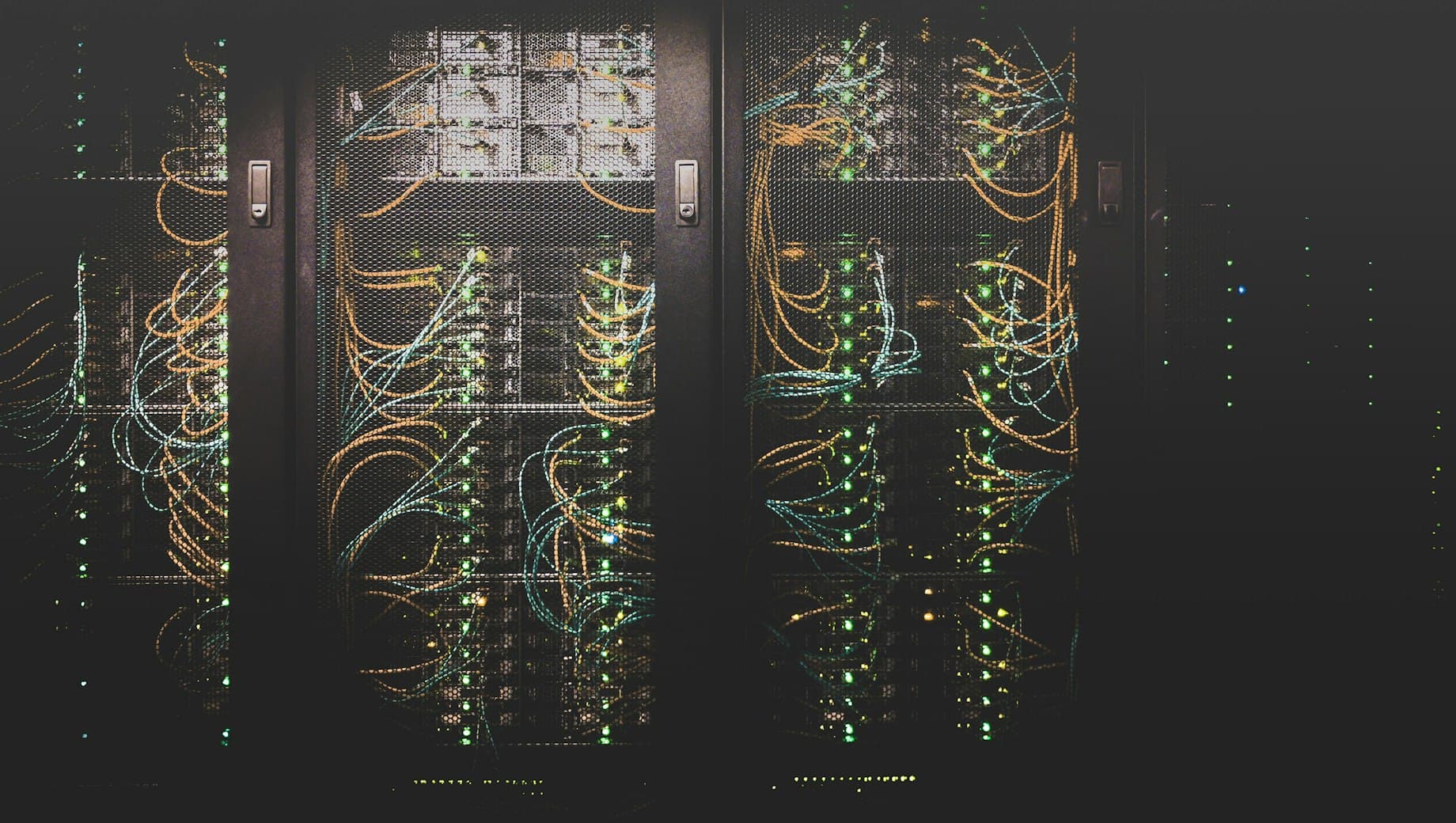
Why cloud solutions matters in Brisbane
Brisbane sits in Queensland, a logistics hub of around 2,560,000 people.
Pragmatic, growth-era search behaviour; strong demand for local-service visibility across a spreading metro, with mobile dominant for a young, relocating population.
Around the Story Bridge, Brisbane carries a sense of place that shapes how local brands present themselves.
Cloud Solutions cost & timeline in Brisbane
- Typical investment
- $5,000 – $30,000
- Indicative timeline
- 6–12 weeks
- Engagement
- Fixed-scope estimate, senior team, no lock-in
Most cloud solutions projects for Brisbane businesses start from $5,000 and run to about $30,000 for larger builds, typically delivered in 6–12 weeks. You get a fixed written estimate before any work begins.
Sound familiar?
- ✕Brisbane is the services and logistics gateway to Queensland’s resources sector, growing fast on the back of interstate migration and major infrastructure spend ahead of the 2032 Olympics. Across Brisbane, businesses tend to fall into one of two traps: ageing on-premise kit that holds back growth, or a poorly tuned cloud setup that quietly costs far more than it should.
- ✕Brisbane's resources and mining services and logistics sectors increasingly require infrastructure that handles variable workloads, meets data residency requirements and scales without manual intervention at 2am.
- ✕A fast-growing but less saturated agency market than Sydney or Melbourne; Olympic-driven investment is raising ambition and creating real opportunity. For Australian businesses, cloud infrastructure done right is more than an operations choice; it is an edge, letting you release faster, scale on demand and recover from failure without anyone lifting a finger.
What you get
In a logistics centre like Brisbane, the businesses that win make it fast and frictionless to check, book and track online. Local industry — led by resources and mining services and logistics — defines who you are really competing with online.
Cloud architecture design
Infrastructure designed for your workload — not a copy-paste setup that wastes money on over-provisioned resources.
Migration to cloud
We move existing infrastructure to AWS or Azure with minimal downtime and no data loss.
Security and compliance
VPCs, IAM policies, encryption and logging configured so your environment is secure by default.
Cost optimisation
Right-sized instances, reserved capacity and auto-scaling so you pay for what you use.
How we work
Assessment
We assess your current infrastructure, workloads and requirements before recommending any cloud architecture.
Design
We design the target architecture with costs, tradeoffs and migration path documented and agreed.
Migrate
We execute the migration in stages, validating each step before moving to the next.
Optimise
Post-migration we monitor costs, performance and security and adjust over the first 90 days.
The Brisbane market
On the competition: a fast-growing but less saturated agency market than Sydney or Melbourne; Olympic-driven investment is raising ambition and creating real opportunity.
Demand in Brisbane is led by resources and mining services and logistics, so the experience that converts a visitor here is shaped by those sectors' norms.
Three increasingly unreliable physical servers sat in the office of a Brisbane resources and mining services business in Australia. A six-week migration to AWS, completed without losing any data, cut their infrastructure costs, all but removed the maintenance burden, and gave them automatic failover that simply had not existed before.
Hire a cloud solutions team in Brisbane
Whether you want to hire a dedicated cloud solutions team in Brisbane or bring in an agency for one project, DevFuture provides cloud solutions services with transparent pricing and direct access to the engineers building your product.
Read the full Cloud Solutions guide → — how we approach cloud solutions, what it costs, and when it is the right call.
Frequently asked questions
Do you provide cloud solutions for Brisbane businesses?
Yes. We design, migrate and optimise AWS and Azure cloud environments for Brisbane businesses across Australia — from startups to established companies moving off on-premise.
AWS or Azure — which should I use?
AWS is broader and often cheaper for compute-heavy workloads. Azure is better when you have existing Microsoft infrastructure. We recommend based on your setup.
What Brisbane businesses are moving to cloud?
B2B in mining services, logistics, construction and engineering with practical, value-focused buyers; a strong B2C economy boosted by tourism and rapid population growth. Both software companies and traditional businesses with server rooms are moving to cloud — the motivations differ but the reliability, scalability and maintenance benefits are consistent.
How do you handle data compliance in the cloud?
We implement data residency, encryption at rest and in transit, access controls and audit logging as standard — aligned with Australian GST and the data-protection obligations Australian businesses operate under.