Chatbot Development for Chicago Businesses
Intelligent chatbots that handle customer enquiries around the clock for Chicago businesses.
Fixed written estimate before any work starts · reply within 24 hours · no lock-in
Why chatbot development matters in Chicago
Home to roughly 2,700,000 people, Chicago is a finance hub in Illinois.
Pragmatic, ROI-focused buyers who value substance over flash; strong demand for regional service visibility across a wide commuter belt, with desktop important for B2B.
Around the Willis Tower, Chicago carries a sense of place that shapes how local brands present themselves.
Chatbot Development cost & timeline in Chicago
- Typical investment
- $3,000 – $15,000
- Indicative timeline
- 6–12 weeks
- Engagement
- Fixed-scope estimate, senior team, no lock-in
Most chatbot development projects for Chicago businesses start from $3,000 and run to about $15,000 for larger builds, typically delivered in 6–12 weeks. You get a fixed written estimate before any work begins.
Sound familiar?
- ✕Chicago is the trading and derivatives capital of the US through the CME, sits at the centre of the national rail and freight network, and retains a deep manufacturing and food-production base — a diversified, no-nonsense economy. Many Chicago businesses are answering the same twenty customer questions by email and phone every day — questions that a well-built chatbot could handle instantly, at any hour, without taking a team member away from higher-value work.
- ✕Customers in Chicago's financial services and manufacturing sectors increasingly expect a quick reply well after the office has closed; whether you answer at 11pm or leave it until morning is now, more and more, what tips a sale.
- ✕A mature, business-minded agency market with strong national independents; competition is serious but grounded, rewarding measurable results over hype. Think of a chatbot as taking the repetitive volume off your team's plate rather than replacing it — for American businesses, that means staff spend their time on the conversations only a person can handle.
What you get
As a finance hub, Chicago rewards precision and trust signals — buyers expect clarity, security and a visible track record before they engage. Its financial services and manufacturing sectors set the tone for what local buyers expect online.
Conversational AI build
A chatbot that understands natural language and handles real customer questions — not a decision tree in disguise.
Knowledge base integration
The chatbot answers from your actual documentation — not generic training data.
Escalation to human
Smooth handoff to a human agent when the bot reaches its limits — no customer left in a dead end.
Analytics dashboard
Visibility into what customers are asking, where the bot succeeds and where it needs improvement.
How we work
Use case scoping
We identify the enquiries worth automating — the high-volume, low-complexity questions your team answers repeatedly.
Knowledge curation
We work with your team to structure the knowledge base the bot will draw from.
Build and test
We build the bot, test it against real customer questions and iterate until quality meets the bar.
Deploy and optimise
We deploy on your website or messaging channel and refine based on real conversation data.
Work you can open right now
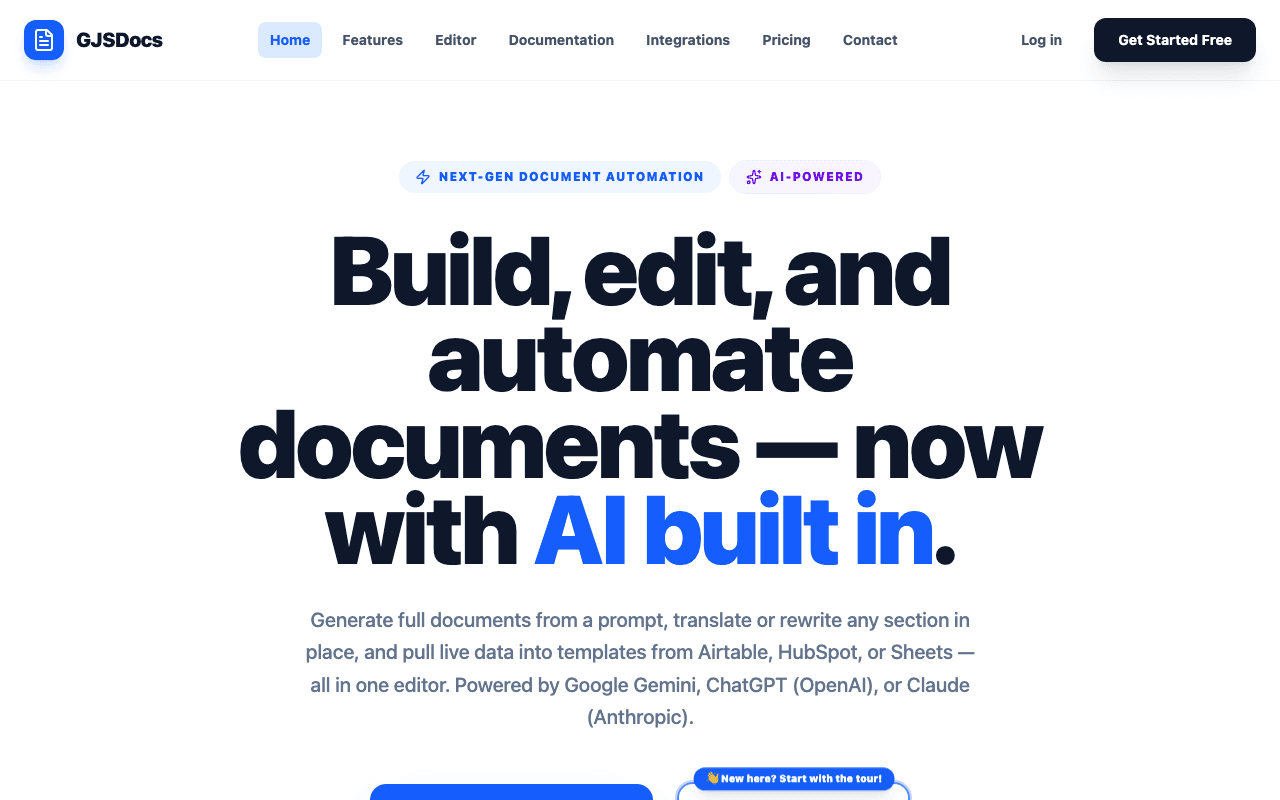
GJSDocs
AI-powered document automation — generate invoices, contracts and reports from templates merged with live data (Airtable, HubSpot, Sheets), with PDF/DOCX/HTML export and a full REST API.
Open it →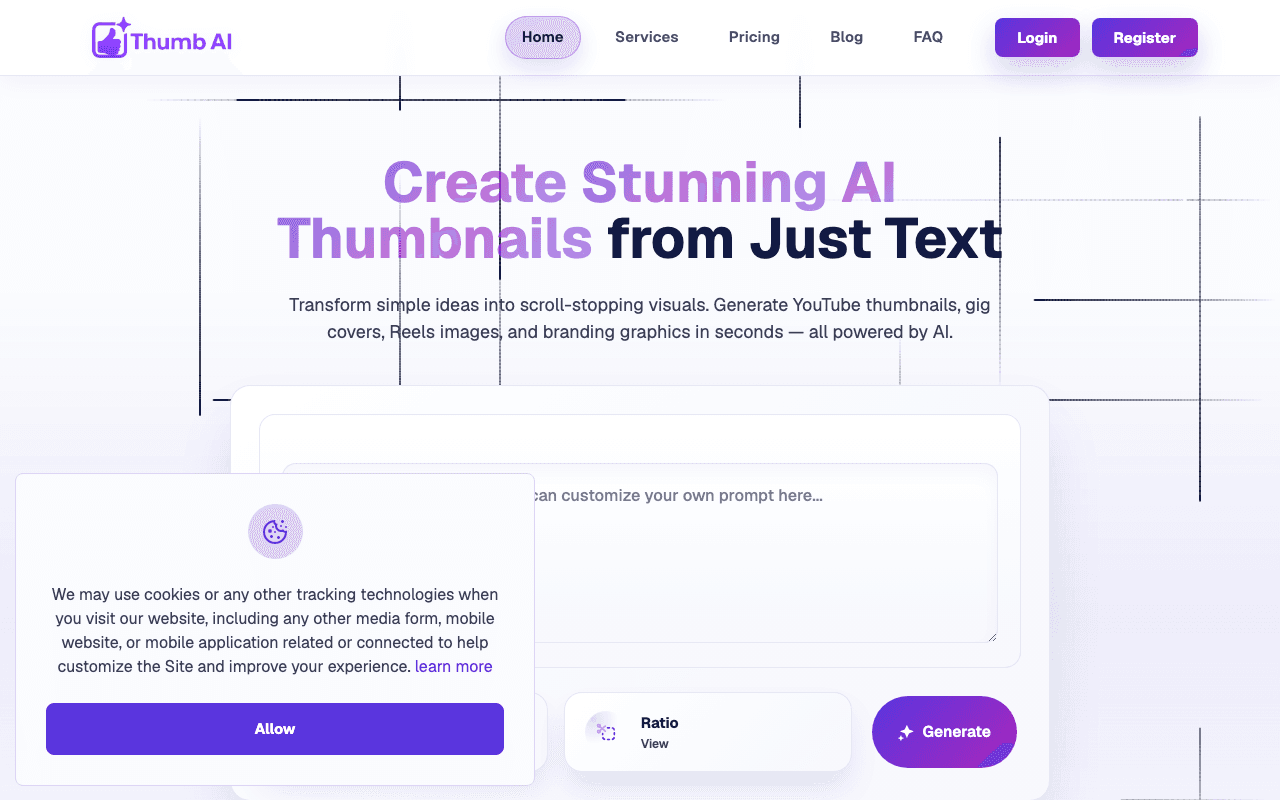
ThumbAI
AI thumbnail and cover generator that turns a text prompt into platform-ready visuals for YouTube, Instagram, TikTok and freelance marketplaces in seconds.
Open it →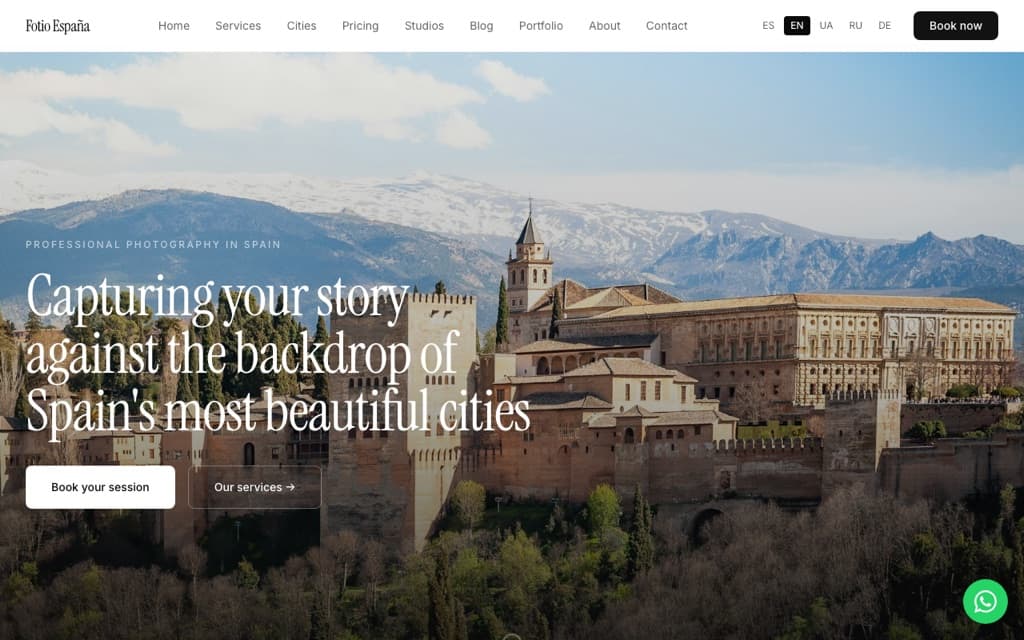
Fotio
Photography booking platform across 20 Spanish cities — 46 session types, verified photographers and 48–72h edited-gallery delivery.
Open it →The Chicago market
It helps to know who you are up against. A mature, business-minded agency market with strong national independents; competition is serious but grounded, rewarding measurable results over hype.
Demand in Chicago is led by financial services and manufacturing, so the experience that converts a visitor here is shaped by those sectors' norms.
Most of the 40–60 emailed enquiries a Chicago financial services business in United States fielded each day repeated the same questions about pricing, availability and process. We deployed a chatbot that resolved 70% automatically and escalated the other 30% to the team — response times fell and the equivalent of a day a week of staff time came back.
Hire a chatbot development team in Chicago
Whether you want to hire a dedicated chatbot development team in Chicago or bring in an agency for one project, DevFuture provides chatbot development services with transparent pricing and direct access to the engineers building your product.
Read the full Chatbot Development guide → — how we approach chatbot development, what it costs, and when it is the right call.
Frequently asked questions
Do you build chatbots for Chicago businesses?
Yes. We build conversational AI chatbots for Chicago businesses across United States — website chatbots, WhatsApp bots and Telegram bots — using LLMs for natural language understanding.
Do you build Telegram bots?
Yes. Telegram bot development is one of our core services — for customer service, notifications, order tracking and internal team tools.
What Chicago businesses use chatbots most?
Pragmatic, ROI-focused buyers who value substance over flash; strong demand for regional service visibility across a wide commuter belt, with desktop important for B2B. Businesses in retail, hospitality and professional services with high enquiry volume and repeated questions see the clearest return from chatbot implementation.
How smart is the chatbot?
As smart as the knowledge base it draws from. We build bots on LLMs like Claude that understand natural language — so customers can ask questions in their own words and get useful answers.
Get a fixed estimate for chatbot development in Chicago
Tell us what you're trying to build. You'll get a written, fixed-scope estimate within 24 hours — and if we're not the right fit, we'll say so.