CRM Development
HubSpot, Salesforce or a custom CRM configured around how your team actually sells — pipelines, automations and integrations that shorten the sales cycle.

Sound familiar?
- Customer data is scattered across inboxes, spreadsheets and tools.
- Reports are assembled by hand every week, and they are out of date on arrival.
- The CRM you pay for does not match how the team actually sells.
That is the work this service exists for — scoped up front, delivered in clear milestones, with a fixed estimate before anything starts.
What we build
CRM configuration or build
Either a configured HubSpot or Salesforce setup tailored to your sales process, or a custom CRM where standard platforms do not fit.
Sales pipeline setup
Stages, automations and views built around how your team actually sells — not the default demo pipeline.
Integration with existing tools
Connected to email, calendar, ERP and website so data flows without manual entry.
Reporting dashboards
Pipeline, conversion rates and activity metrics visible to managers in real time.
Why DevFuture
Products we've built and shipped
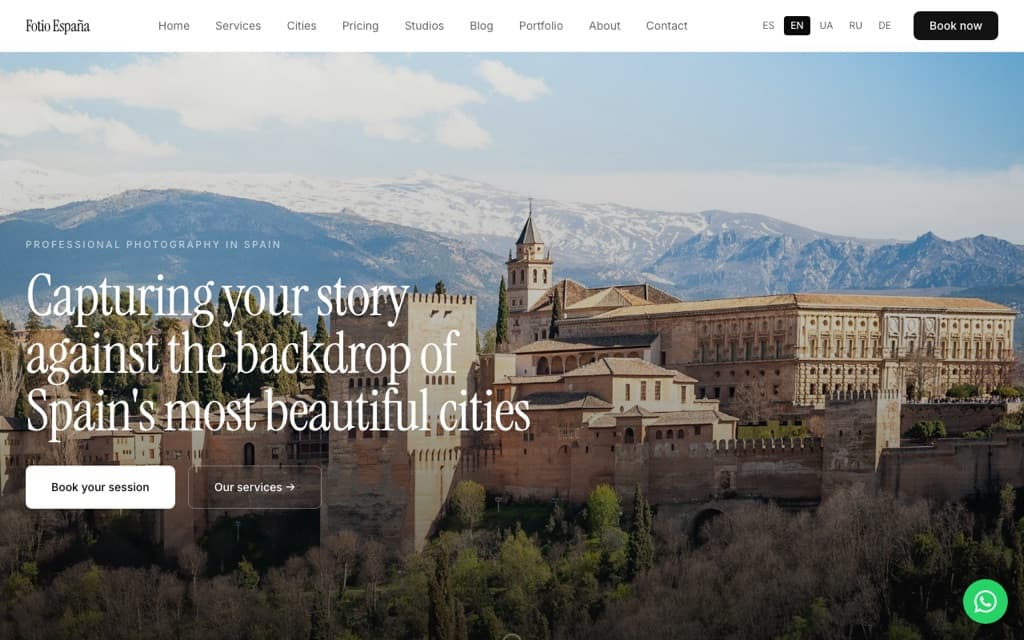
Fotio
Photography booking platform across 20 Spanish cities — 46 session types, verified photographers and 48–72h edited-gallery delivery.
Case study →Open live ↗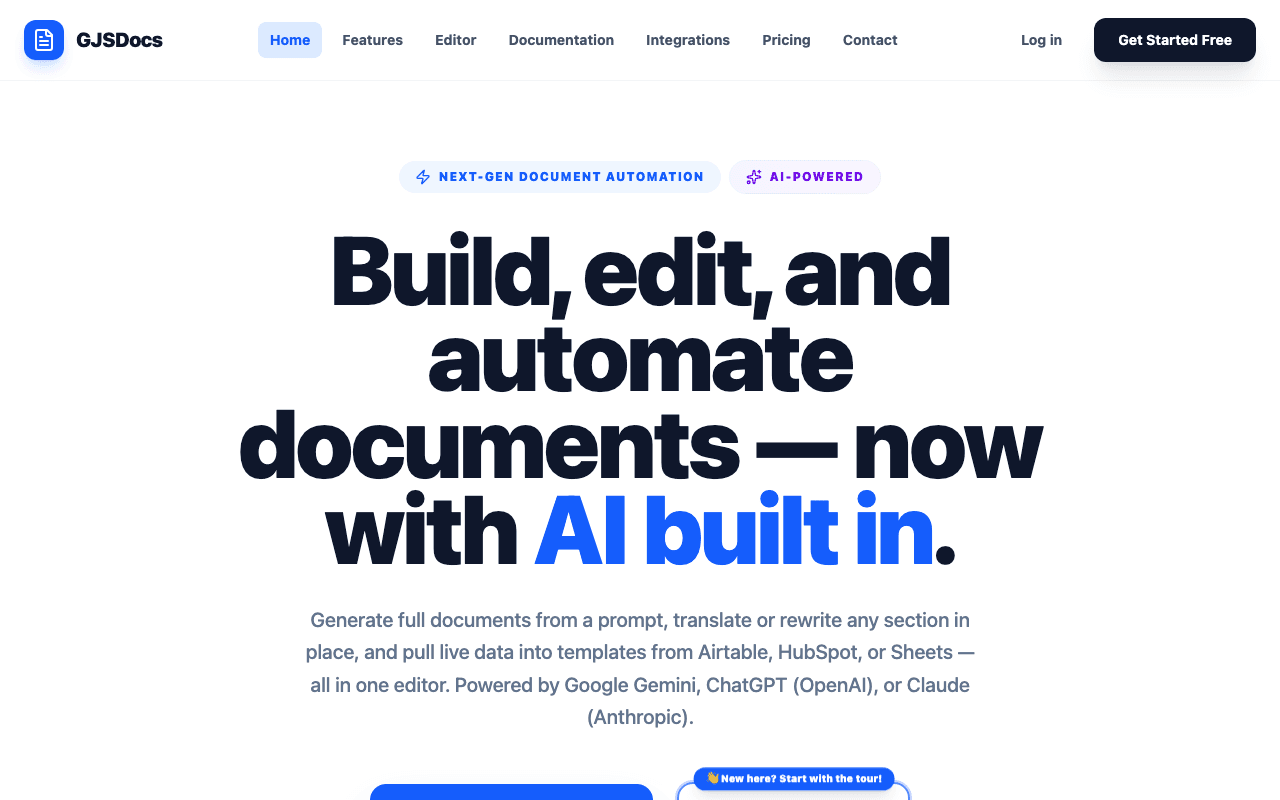
GJSDocs
AI-powered document automation — generate invoices, contracts and reports from templates merged with live data (Airtable, HubSpot, Sheets), with PDF/DOCX/HTML export and a full REST API.
Case study →Open live ↗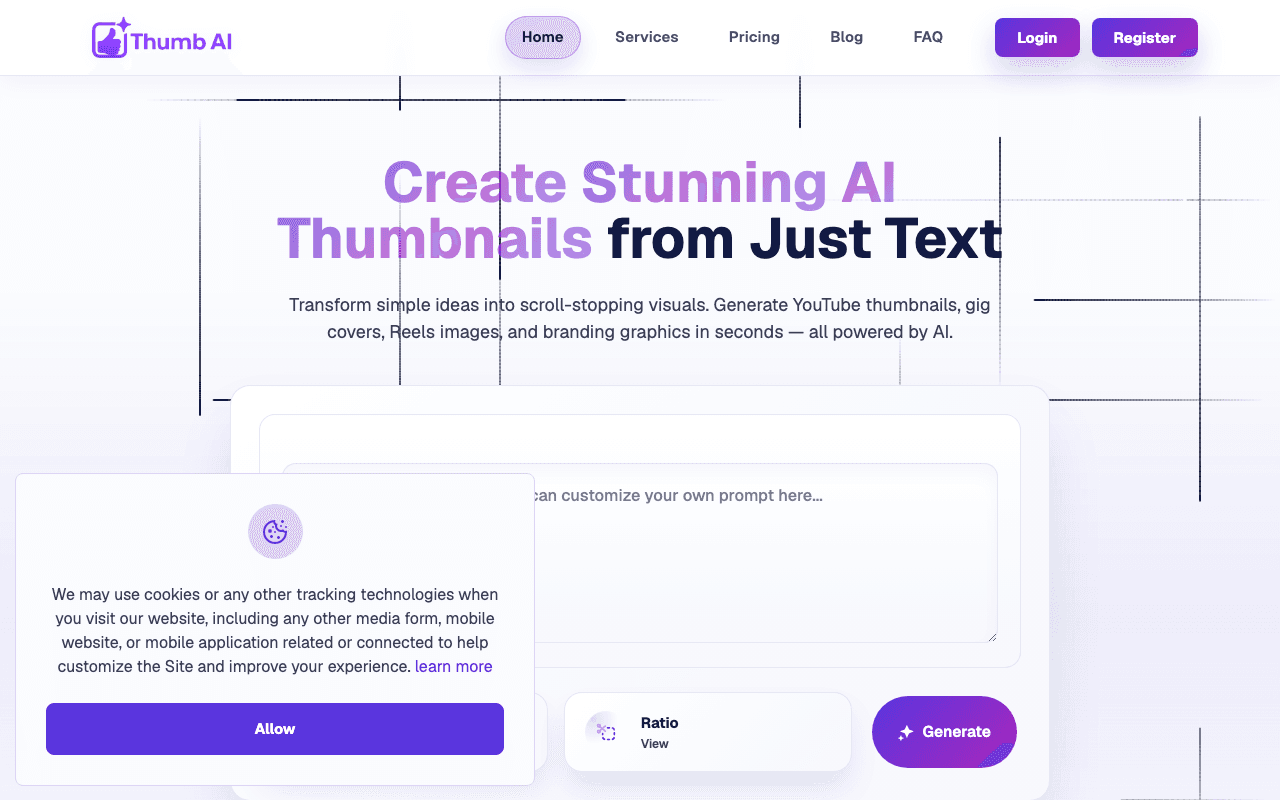
ThumbAI
AI thumbnail and cover generator that turns a text prompt into platform-ready visuals for YouTube, Instagram, TikTok and freelance marketplaces in seconds.
Case study →Open live ↗How we work
Sales process audit
We map how your team currently sells — from first contact to close — before recommending anything.
Platform selection
We recommend HubSpot, Salesforce or a custom build based on team size, budget and requirements.
Build and configure
We implement the CRM against your sales process — not a default template — with your team involved throughout.
Train and support
We train your team on the system and provide post-launch support so adoption actually sticks.
Where a CRM Actually Earns Its Place
A CRM stops being useful the moment it becomes a database nobody updates. The projects we take on usually start the same way: deals tracked across a shared spreadsheet, a sales inbox, and three people's memories. Nobody can answer simple questions — how many opportunities are open, which ones have gone quiet, what the forecast looks like for the quarter. Revenue is being decided by whoever remembers to follow up.
We build CRMs around the way a team already sells rather than forcing the team to bend around a tool. That means modelling the real pipeline stages, the handoffs between sales and delivery, and the moments where deals tend to stall. The point is not to log activity for its own sake — it is to make the next action obvious for every open opportunity, so nothing depends on someone remembering.
For most businesses this is a configured HubSpot or Salesforce instance. For teams with an unusual sales motion — quoting engines, channel partners, multi-entity deals — a custom build on a clean data model often costs less to run than bending a platform into a shape it resists.
HubSpot, Salesforce or Custom
HubSpot is the right default for most small and mid-sized sales teams: quick to stand up, predictable pricing, and an interface salespeople will actually use without a fight. We configure pipelines, deal stages, lifecycle properties, sequences and the reporting layer, then wire in the marketing and service hubs only where they pull their weight.
Salesforce earns its complexity when you have multiple sales teams, territory rules, complex approval flows or heavy integration needs. There we work in Sales Cloud with custom objects, flows, validation rules and permission sets, kept deliberately lean so the org does not rot into the unmaintainable sprawl Salesforce is infamous for.
Integrations and Automation That Remove Manual Work
A CRM only pays back when it stops being a data-entry tax. We connect it to the systems where customer data already lives — email and calendar, your website and lead forms, billing or ERP, and support tooling — so a contact, a deal and an activity record appear without anyone retyping them.
On top of that we automate the repetitive mechanics: lead routing and assignment, stage-based task creation, follow-up reminders on ageing deals, and clean handoffs to delivery once a deal closes. Reporting then reflects reality instead of whatever was last manually updated, which is what makes a forecast worth trusting.
- Two-way sync with email and calendar so every interaction is logged automatically
- Website and form capture feeding straight into the right pipeline
- Lead scoring and routing rules so the right rep gets the right lead
- Billing or ERP integration to keep deal and account data consistent
- Automated tasks and reminders tied to pipeline stage and deal age
- Manager dashboards for pipeline value, conversion and activity
Timeline and Who It Suits
A focused HubSpot or Salesforce implementation typically runs four to eight weeks: process mapping, configuration, data migration from your existing spreadsheets or legacy CRM, integration work, and hands-on training so adoption sticks. A custom CRM is a larger engagement, scoped in phases so you get a usable pipeline early rather than waiting months for everything at once.
This work pays off for B2B teams with more than a couple of salespeople, longer or multi-stakeholder sales cycles, or recurring customers worth nurturing. It is the wrong investment for a solo founder with a handful of deals a year — a well-structured spreadsheet is genuinely fine until the pipeline outgrows one person's head. We will say so rather than sell you a platform you do not yet need.
Technology
- PostgreSQL
- Node.js
- Python
- REST APIs
- CRM & ERP integrations
What it costs
Every estimate is scoped to the work, so there is no single price. Our guide sets out typical budgets in Ireland, what moves the number and what to check in a quote: How Much Does Custom Software Development Cost in Ireland? For a figure for your own project, use the cost calculator.
CRM Development by location
Tell us what you need built
You'll get a written, fixed-scope estimate within 24 hours — and if we're not the right fit for it, we'll say so.