Business Process Automation for Cork Businesses
Automate repetitive workflows so your team focuses on what matters for Cork businesses.
Fixed written estimate before any work starts · reply within 24 hours · no lock-in

The Cork context for business process automation
With a population near 220,000, Cork is an industrial centre within County Cork.
Desktop-heavy for industrial B2B; mobile-dominant in hospitality, food and retail sectors.
Around the English Market, Cork carries a sense of place that shapes how local brands present themselves.
Business Process Automation cost & timeline in Cork
- Typical investment
- €2,000 – €15,000
- Indicative timeline
- 6–12 weeks
- Engagement
- Fixed-scope estimate, senior team, no lock-in
Most business process automation projects for Cork businesses start from €2,000 and run to about €15,000 for larger builds, typically delivered in 6–12 weeks. You get a fixed written estimate before any work begins.
Sound familiar?
- ✕Copying data between systems, assembling reports from multiple sources, sending follow-ups individually: this hidden layer of manual work props up many a Cork business and swallows hours that should go to more valuable work. Cork's pharmaceutical corridor along the N40 ring road is home to Pfizer, Johnson & Johnson and Eli Lilly plants, giving the city a strong B2B industrial culture alongside a thriving food, drink and hospitality scene.
- ✕Cork's pharmaceuticals and technology sectors have rich automation opportunities in document processing, customer communication, order management and reporting — most of which require integration between existing tools rather than building from scratch.
- ✕A handful of established Cork agencies plus Dublin firms servicing Cork remotely; less saturated than Dublin. Once a Irish business automates its repetitive processes, it gains a structural cost advantage: the same output for fewer person-hours.
What you get
In an industrial economy like Cork's, buyers value substance — clear capability, specifications and proof over marketing gloss. With pharmaceuticals prominent locally, the bar for a credible digital presence is set accordingly.
Process audit and prioritisation
We identify the workflows worth automating — ranked by time saved and implementation cost.
Workflow automation build
End-to-end automation of identified processes — from trigger to output — without manual steps.
System integrations
Your existing tools connected so data flows automatically between them without copy-paste.
Error handling and monitoring
Failed automations surfaced and managed so no task silently falls through the cracks.
How we work
Process mapping
We map your current workflows in detail — including manual steps and exceptions — before designing any automation.
Prioritise
We rank automation candidates by time saved, frequency and implementation complexity so you get the best return first.
Build
We build automations using Make, Zapier or custom code depending on complexity and reliability requirements.
Handover
We document the automations and train your team so they can maintain and extend them without calling us.
Work you can open right now
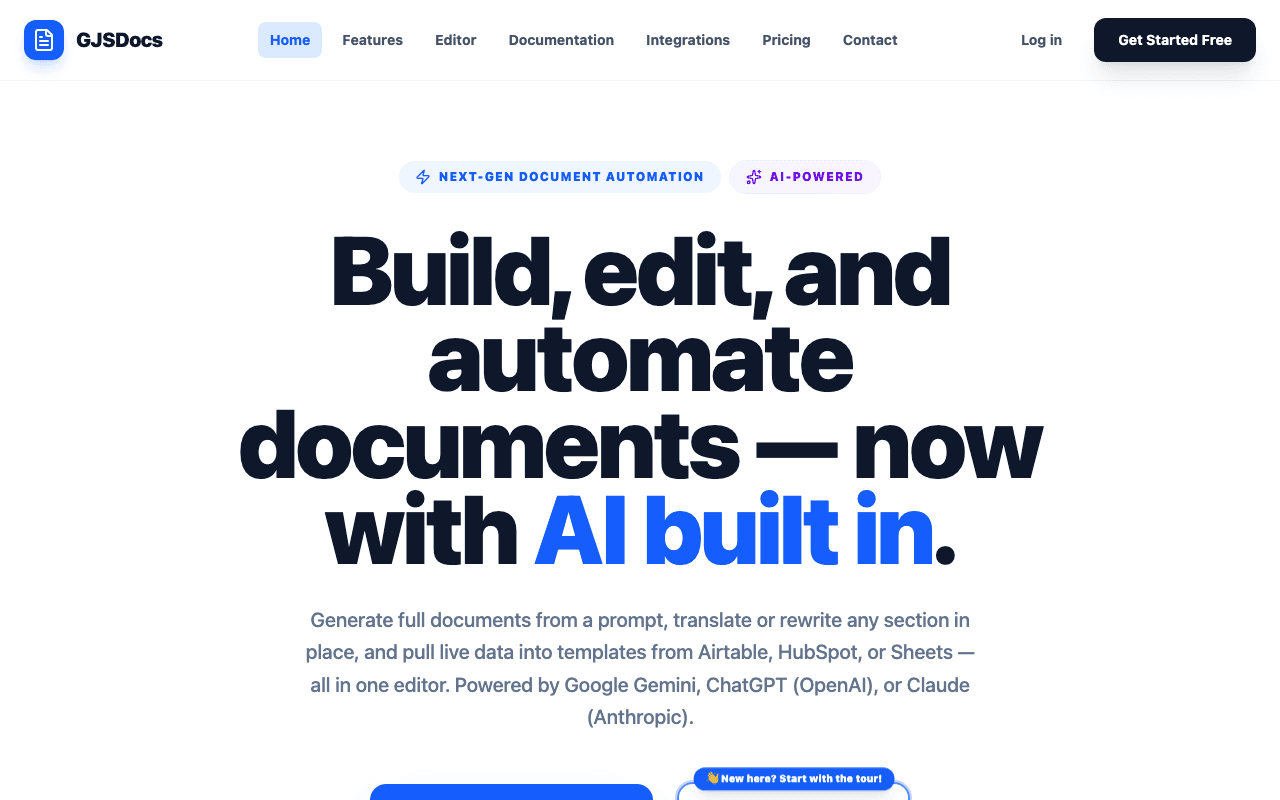
GJSDocs
AI-powered document automation — generate invoices, contracts and reports from templates merged with live data (Airtable, HubSpot, Sheets), with PDF/DOCX/HTML export and a full REST API.
Open it →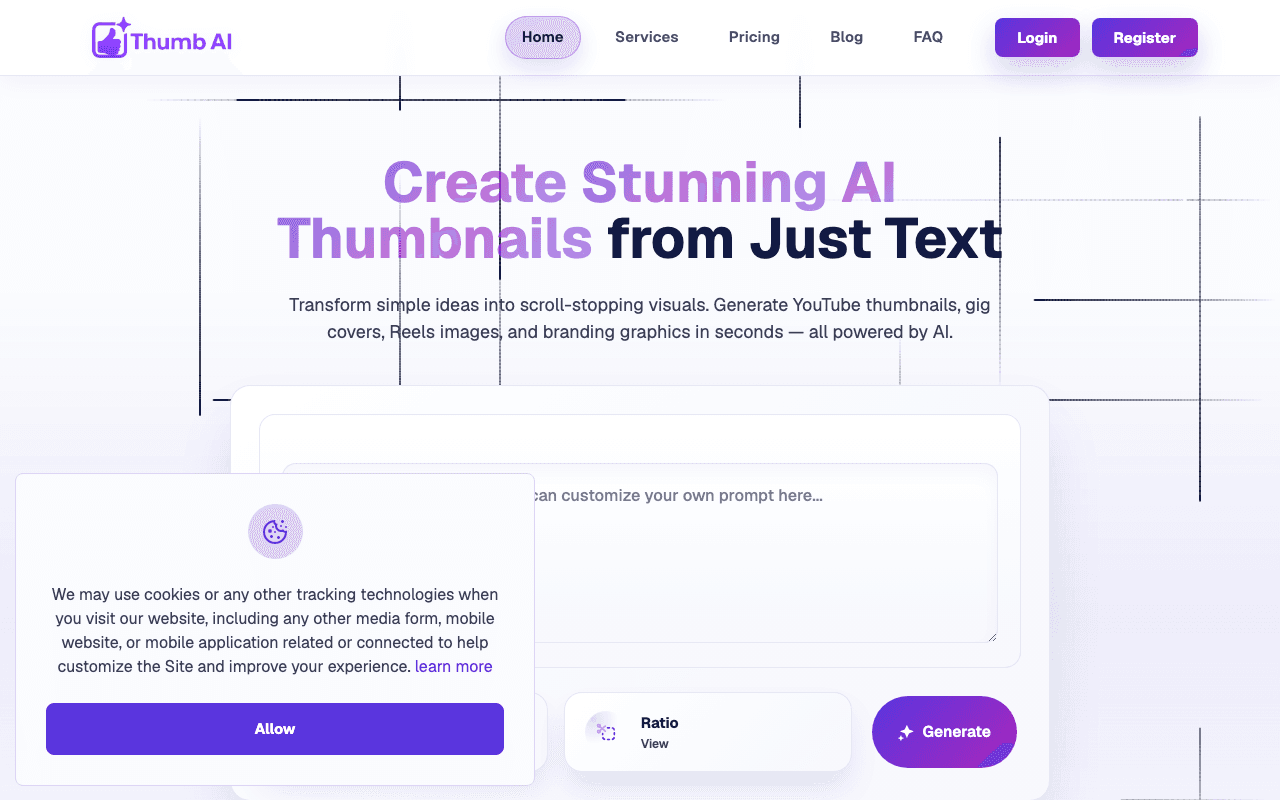
ThumbAI
AI thumbnail and cover generator that turns a text prompt into platform-ready visuals for YouTube, Instagram, TikTok and freelance marketplaces in seconds.
Open it →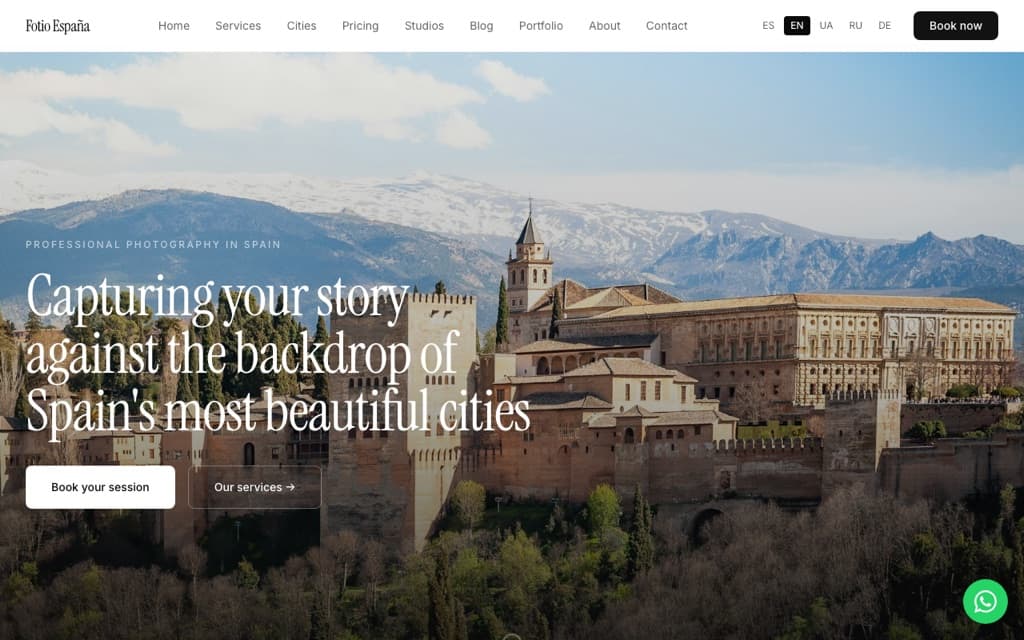
Fotio
Photography booking platform across 20 Spanish cities — 46 session types, verified photographers and 48–72h edited-gallery delivery.
Open it →The Cork market
On the competition: a handful of established Cork agencies plus Dublin firms servicing Cork remotely; less saturated than Dublin.
Buyers in Cork skew toward pharmaceuticals and technology, and each judges a website against the standards of its own industry.
A Cork pharmaceuticals firm in Ireland lost five hours a week to manually compiling client reports from multiple sources. After we built a pipeline that gathered the data, formatted the report and sent it out every Monday morning — keeping a human in the loop for exceptions — the weekly effort dropped to a 20-minute review.
Hire a business process automation team in Cork
Whether you want to hire a dedicated business process automation team in Cork or bring in an agency for one project, DevFuture provides business process automation services with transparent pricing and direct access to the engineers building your product.
Read the full Business Process Automation guide → — how we approach business process automation, what it costs, and when it is the right call.
Frequently asked questions
Do you build business automation for Cork companies?
Yes. We automate workflows for Cork businesses across Ireland using Make, Zapier, custom code and AI — whatever fits the complexity and reliability requirements of the specific process.
What processes can be automated?
Almost any workflow with defined rules and repeating steps — moving data between systems, generating documents, running email sequences, compiling reports, processing orders and booking appointments among them.
What Cork businesses benefit most from automation?
Predominantly B2B given pharma, tech and food manufacturing dominance; strong B2C in hospitality, retail and tourism. Both B2B and B2C benefit — B2B typically automates lead follow-up and document processing; B2C automates order management and customer communication.
How quickly can you automate a process?
It depends on complexity — a simple link between two systems in about a week, a multi-step workflow with exceptions in 3–6 weeks. We commit to a realistic timeline once the process-mapping session is done.
Get a fixed estimate for business process automation in Cork
Tell us what you're trying to build. You'll get a written, fixed-scope estimate within 24 hours — and if we're not the right fit, we'll say so.