Cloud Solutions for Montreal Businesses
AWS and Azure cloud architecture that scales reliably and securely for Montreal businesses.
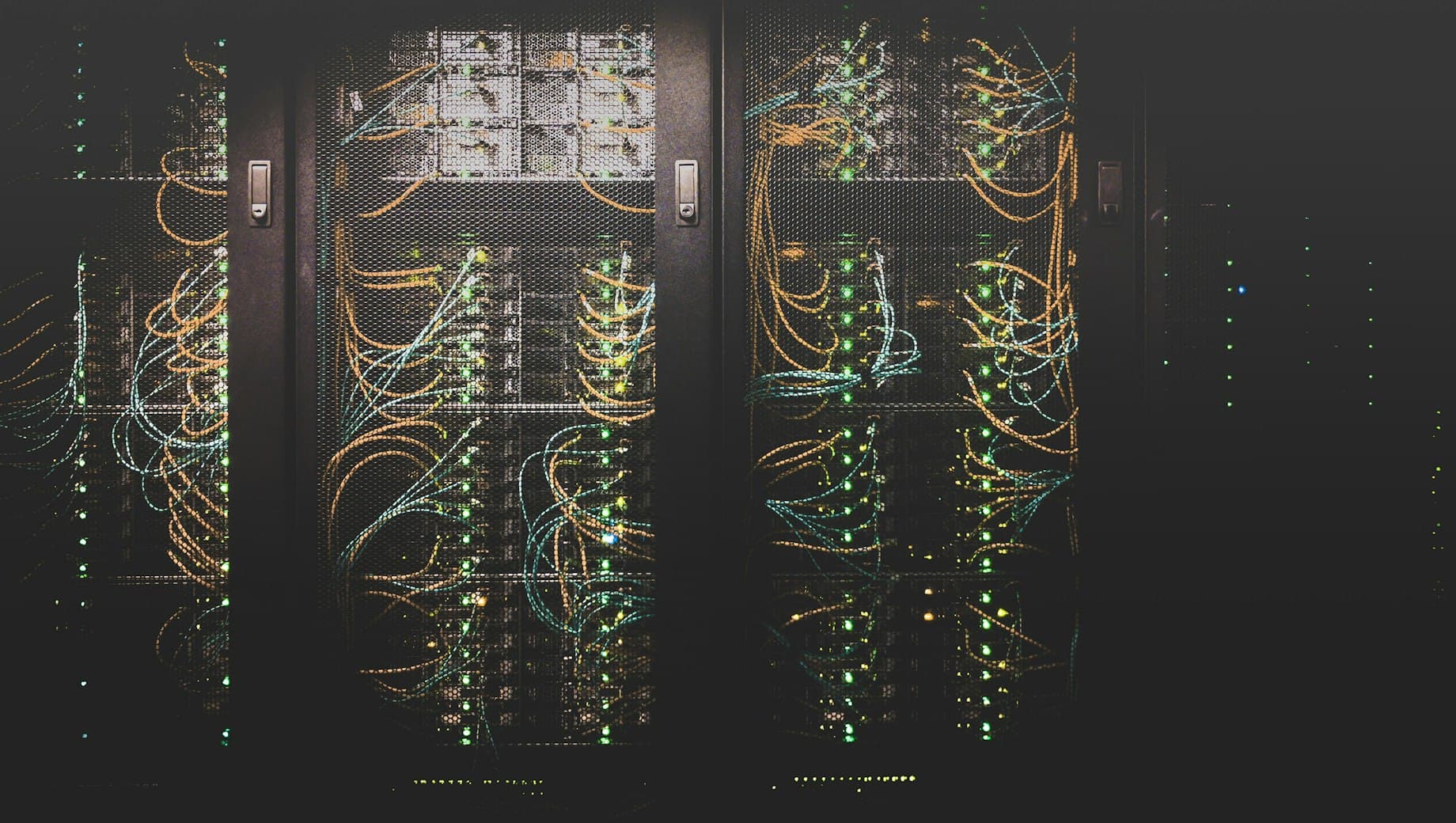
Why cloud solutions matters in Montreal
Montreal sits in Quebec, a creative hub of around 1,760,000 people.
French-first search behaviour is essential — Bill 96 and local language law shape content obligations; consumer discovery is mobile, social and strongly culture-led.
Local landmarks such as the Notre-Dame Basilica are part of what gives Montreal its distinct commercial character.
Cloud Solutions cost & timeline in Montreal
- Typical investment
- $5,000 – $30,000
- Indicative timeline
- 6–12 weeks
- Engagement
- Fixed-scope estimate, senior team, no lock-in
Most cloud solutions projects for Montreal businesses start from $5,000 and run to about $30,000 for larger builds, typically delivered in 6–12 weeks. You get a fixed written estimate before any work begins.
Sound familiar?
- ✕Montreal is a global video-games capital (Ubisoft, EA) and a leading AI research centre through Mila, set in a bilingual, design-rich French-speaking city with a famous festival and creative culture. Plenty of Montreal businesses are either stuck on dated on-premise hardware that caps how far they can scale, or already in the cloud and overpaying because their environment was never configured properly.
- ✕Businesses in Montreal's video games and artificial intelligence sectors increasingly need infrastructure that copes with spiky workloads, honours data-residency requirements and grows on its own without a 2am manual fix.
- ✕A creatively confident, bilingual agency market; French-language fluency and Quebec cultural understanding are decisive competitive advantages. For Canadian businesses, well-architected cloud infrastructure is not just an operational decision — it is a competitive advantage that lets you ship faster, scale instantly and recover from failure automatically.
What you get
Montreal's creative economy judges craft instantly, so a distinctive, considered presence is the cost of being taken seriously. Local industry — led by video games and artificial intelligence — defines who you are really competing with online.
Cloud architecture design
Infrastructure designed for your workload — not a copy-paste setup that wastes money on over-provisioned resources.
Migration to cloud
We move existing infrastructure to AWS or Azure with minimal downtime and no data loss.
Security and compliance
VPCs, IAM policies, encryption and logging configured so your environment is secure by default.
Cost optimisation
Right-sized instances, reserved capacity and auto-scaling so you pay for what you use.
How we work
Assessment
We assess your current infrastructure, workloads and requirements before recommending any cloud architecture.
Design
We design the target architecture with costs, tradeoffs and migration path documented and agreed.
Migrate
We execute the migration in stages, validating each step before moving to the next.
Optimise
Post-migration we monitor costs, performance and security and adjust over the first 90 days.
The Montreal market
On the competition: a creatively confident, bilingual agency market; French-language fluency and Quebec cultural understanding are decisive competitive advantages.
Demand in Montreal is led by video games and artificial intelligence, so the experience that converts a visitor here is shaped by those sectors' norms.
Three increasingly unreliable physical servers sat in the office of a Montreal video games business in Canada. A six-week migration to AWS, completed without losing any data, cut their infrastructure costs, all but removed the maintenance burden, and gave them automatic failover that simply had not existed before.
Hire a cloud solutions team in Montreal
Looking to hire a cloud solutions company in Montreal? DevFuture works as your cloud solutions agency or as an extension of your in-house team — clear scope, fixed estimates and senior people on the actual work, not a sales layer in front of it.
Read the full Cloud Solutions guide → — how we approach cloud solutions, what it costs, and when it is the right call.
Frequently asked questions
Do you provide cloud solutions for Montreal businesses?
Yes. We design, migrate and optimise AWS and Azure cloud environments for Montreal businesses across Canada — from startups to established companies moving off on-premise.
AWS or Azure — which should I use?
AWS is broader and often cheaper for compute-heavy workloads. Azure is better when you have existing Microsoft infrastructure. We recommend based on your setup.
What Montreal businesses are moving to cloud?
B2B in gaming, AI, aerospace and software, almost always with French-language and Quebec-specific requirements; a vibrant B2C economy around festivals, food and culture. Both software companies and traditional businesses with server rooms are moving to cloud — the motivations differ but the reliability, scalability and maintenance benefits are consistent.
How do you handle data compliance in the cloud?
We implement data residency, encryption at rest and in transit, access controls and audit logging as standard — aligned with Canadian GST/HST and provincial sales tax and the data-protection obligations Canadian businesses operate under.