Mobile App vs Progressive Web App: How to Choose
A native app and a PWA can look almost identical to a user. The difference is in reach, capability, cost and how people get it — and that is what should drive the decision.
What each one actually is
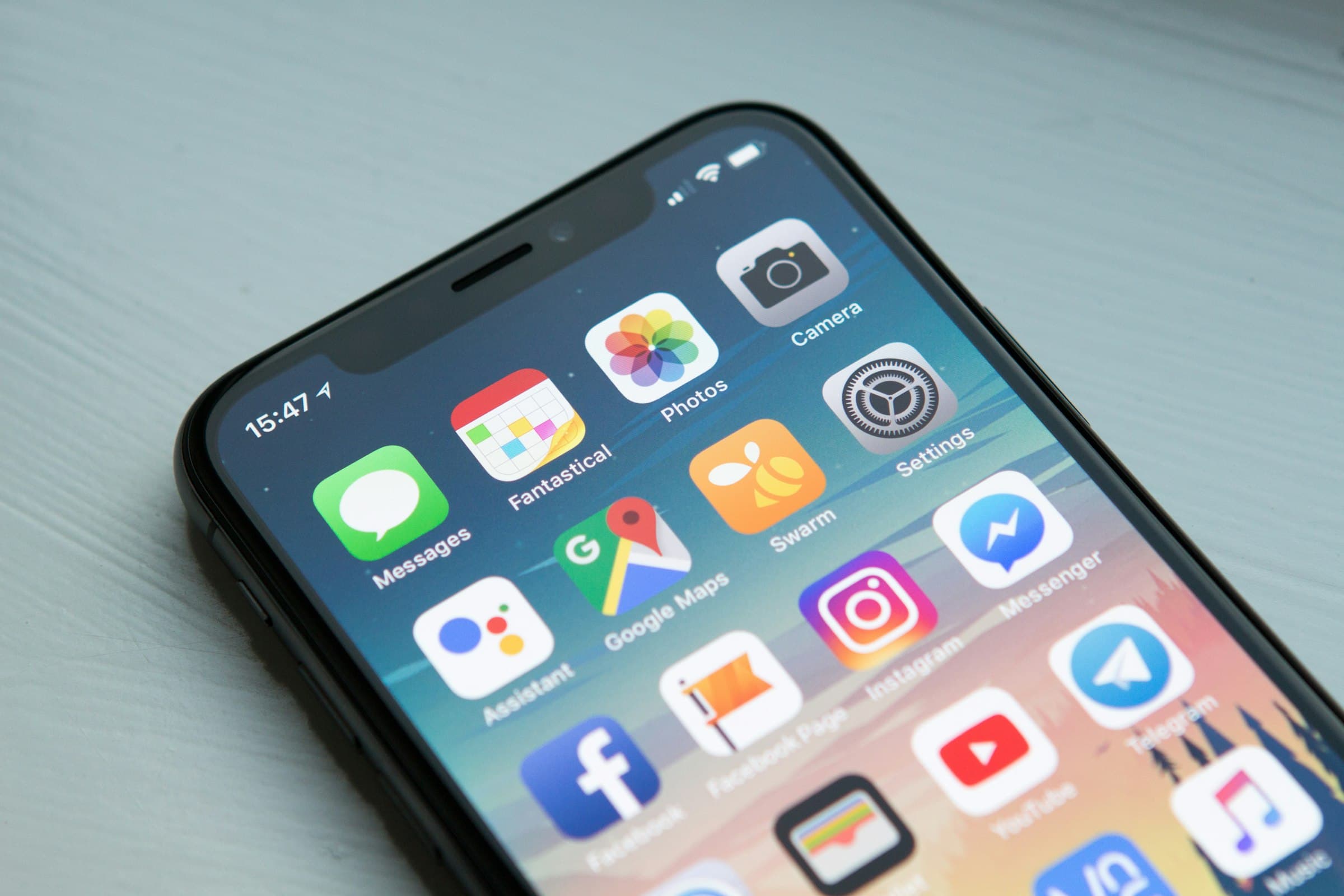
A native mobile app is built for iOS and Android, installed from the App Store or Google Play, and runs directly on the device. It can use the full range of phone hardware and lives on the home screen like any other app.
A progressive web app (PWA) is a website built to behave like an app. It runs in the browser but can be added to the home screen, work offline, and send push notifications. There is no app store, no download step — users just visit a URL.
Reach versus capability
PWAs win on reach. There is no install friction and no store approval, so anyone with a link can use it instantly, and updates ship the moment you deploy. That makes them excellent for reaching new or occasional users.
Native apps win on capability and presence. They get full access to device features, the smoothest performance for demanding interfaces, and a place in the app stores where motivated users go looking. For a product people open every day, that presence is worth a lot.

At a glance
Weigh these against how people will actually find and use your product.
| Factor | Native app | PWA |
|---|---|---|
| Distribution | App stores (with approval) | A URL — instant |
| Install friction | Download required | Optional "add to home screen" |
| Device features | Full access | Most, but limited on iOS |
| Updates | Through the store | Instant on deploy |
| Typical cost | Higher (two platforms) | Lower (one codebase) |
| Best for | Daily-use, hardware-heavy apps | Reach, content, commerce |
A PWA is often the smart first step
For many businesses a PWA is the pragmatic place to start: one codebase, lower cost, instant reach, and no store gatekeeping. You validate demand and learn what users want before committing to native build and maintenance on two platforms.
If usage proves out a need for deep device integration or app-store presence, a native app becomes a justified next investment rather than a guess. The two are not mutually exclusive — many products run both.
FAQ
Can a PWA do push notifications?
Yes on Android and desktop, and now on iOS too, though iOS has historically been more limited. For notification-critical products this is worth checking against your audience's devices.
Will a PWA work offline?
Yes — a well-built PWA caches what it needs so core features keep working without a connection.
Is a native app always more expensive?
Usually, because you maintain iOS and Android builds. Cross-platform frameworks narrow the gap, but a PWA is still typically the lowest-cost route to a wide audience.